
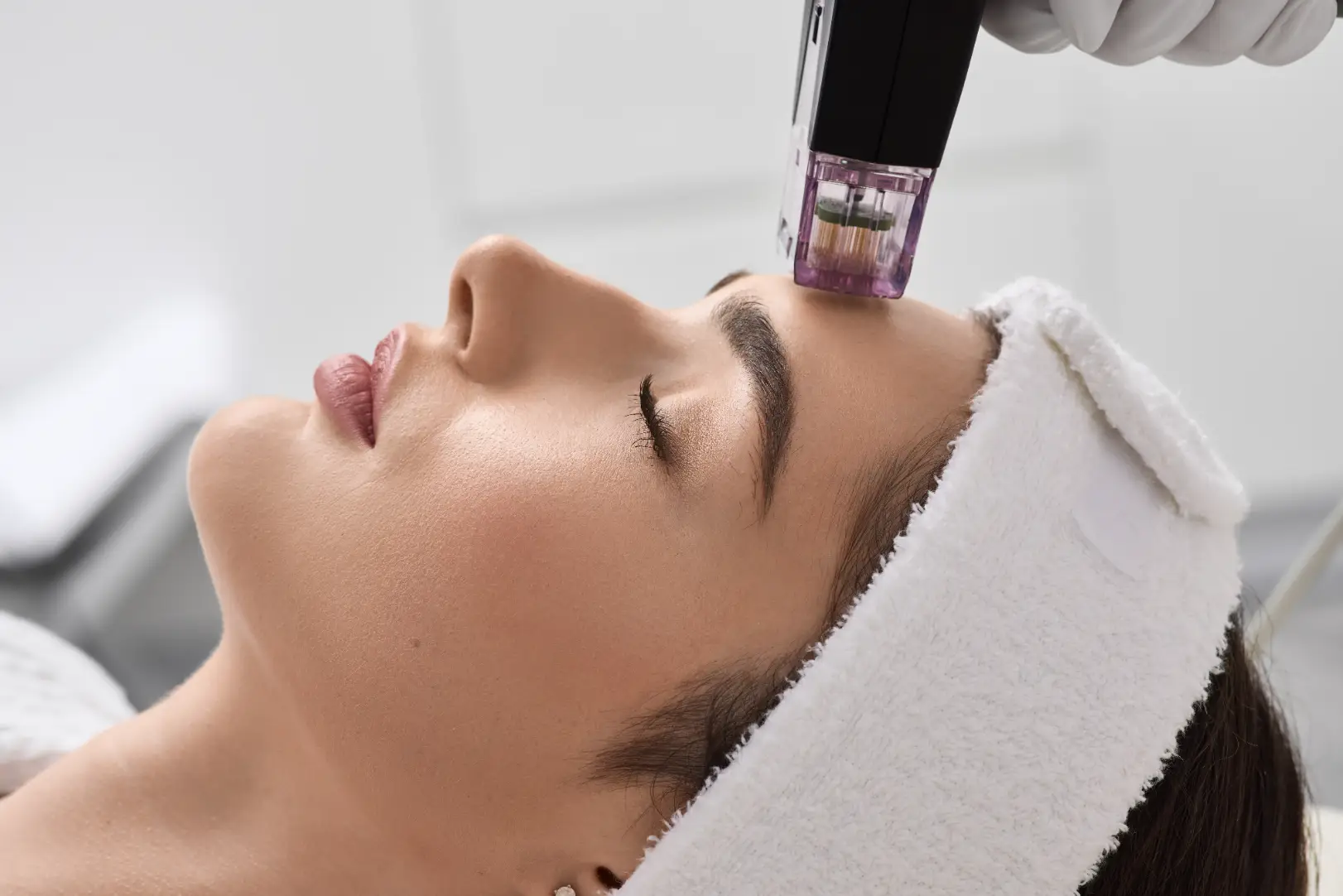
Skin laxity has a way of changing the face without changing who you are. A jawline that once looked crisp can soften. Cheeks may appear less supported, and skin can begin to feel looser as collagen and elastin decline.
For patients who want meaningful tightening without surgery, XERF offers a needle-free approach that works beneath the surface using multifrequency radiofrequency energy. Morpheus8 also uses radiofrequency, but the experience and treatment strategy are quite different.
One delivers energy externally, while the other combines RF with microneedles. So, which approach better matches your goals? Continue reading as we compare their technology, comfort, downtime, and ideal uses so you can understand where each one fits.
What Is XERF?
XERF is a non-invasive radiofrequency skin tightening treatment designed to remodel tissue at multiple depths without needles. Its defining feature is its multifrequency monopolar RF technology, which delivers energy at both 6.78 MHz and 2 MHz.
Those two frequencies allow XERF to address superficial, middle, and deeper tissue layers during the same treatment session. Rather than focusing only on the skin’s surface, the technology is designed around structural remodeling at different depths.
Another important part of the XERF experience is its Advanced Integrated Cryogen Delivery cooling technology. The system helps keep the surface of the skin comfortable while therapeutic heat reaches deeper tissue. This creates what the technology describes as a “Never-Numb” treatment experience.
For patients, that means no needles and no waiting around for topical numbing cream before treatment. XERF is designed as a walk-in, receive-treatment, and walk-out procedure with little interruption to a normal routine.
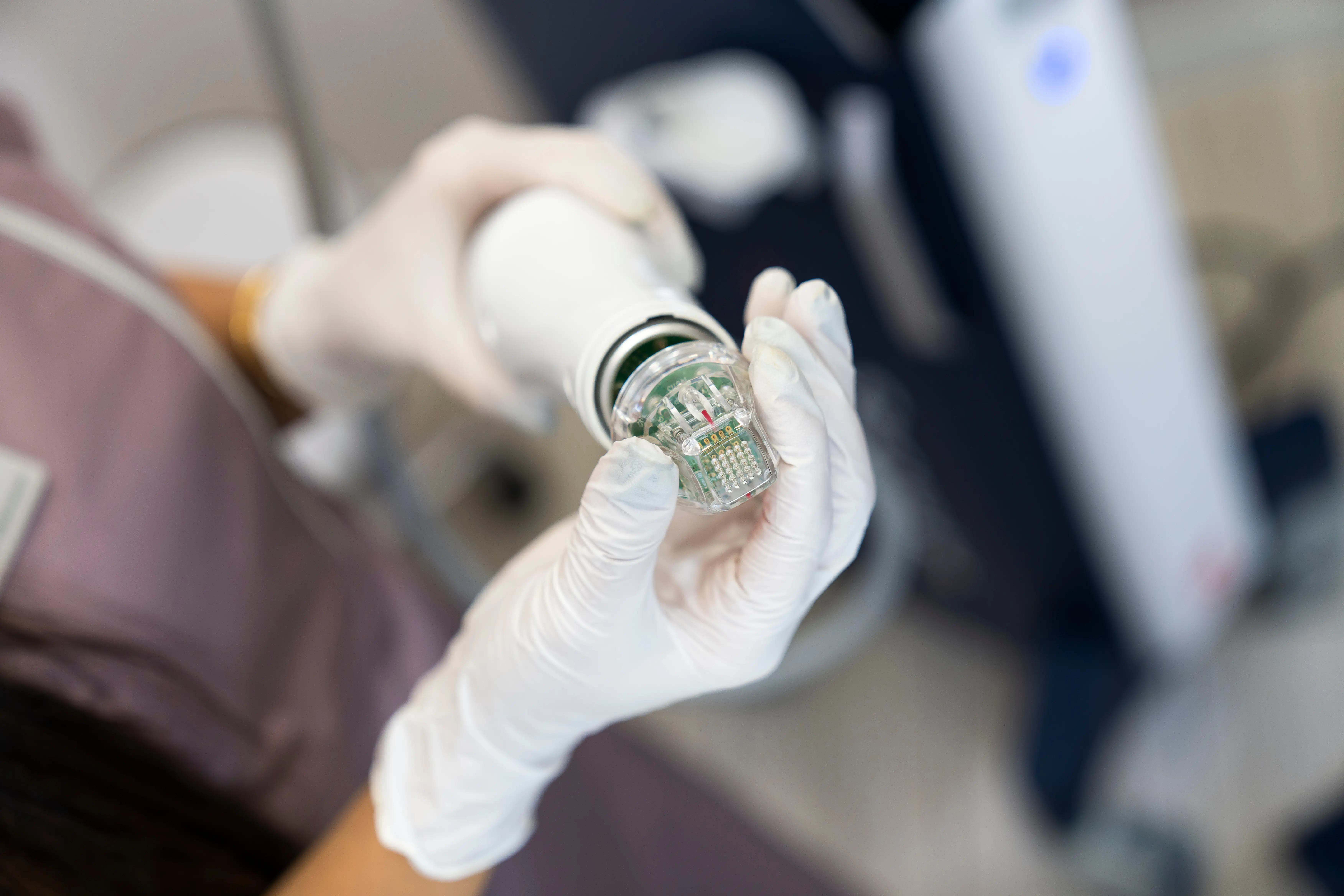
Morpheus8 takes another route. It combines microneedling with radiofrequency energy. Tiny needles enter the skin and deliver RF energy at selected depths. That makes Morpheus8 useful when skin texture and remodeling are important goals alongside tightening.
Neither approach needs to be viewed as universally superior. The better option depends on what you want treated and how you want to get there.
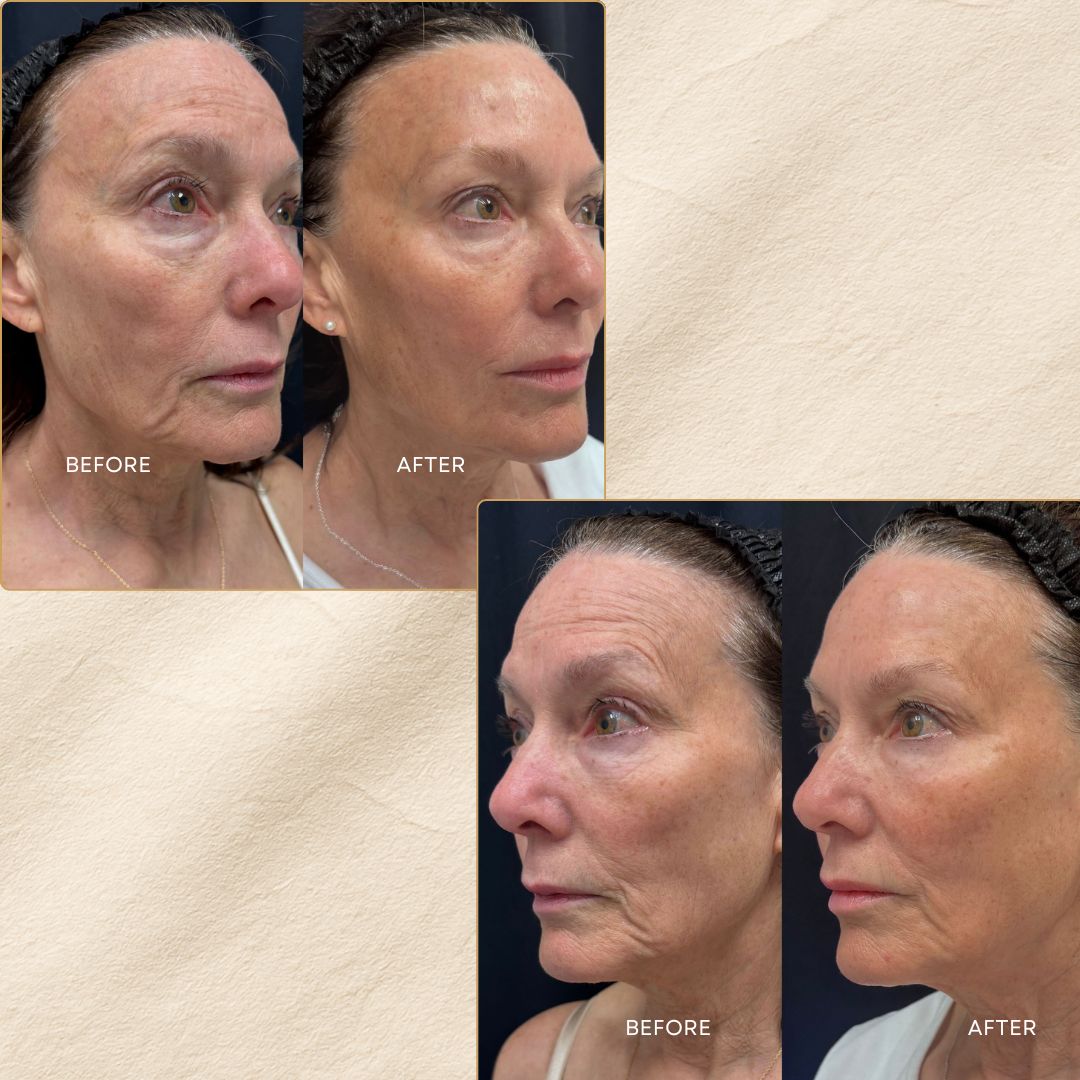
XERF vs. Morpheus8: Finding the Better Fit
Choosing between two RF technologies becomes easier once you stop looking only at their names and start looking at how they treat the skin. XERF may have several practical advantages for patients primarily interested in tightening, while Morpheus8 can still have a valuable role when texture is part of the concern.
1. XERF Tightens Without Needles
This is perhaps the clearest distinction in the XERF vs. RF microneedling conversation. XERF delivers radiofrequency energy through the skin without inserting needles into the tissue.
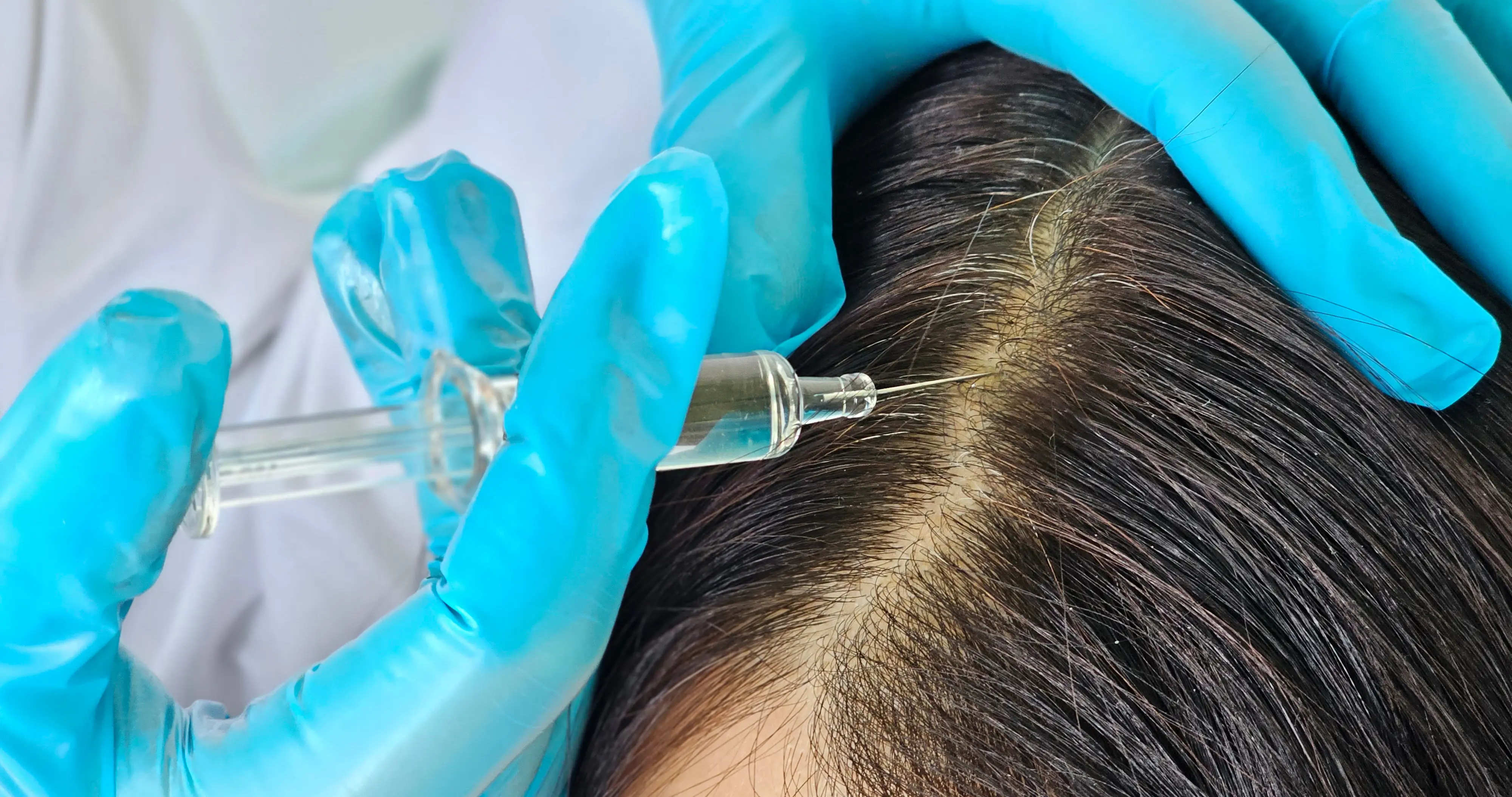
Morpheus8 is an RF microneedling procedure. Its microneedles penetrate the skin before radiofrequency energy is delivered beneath the surface. Those controlled micro-injuries are part of how the treatment stimulates remodeling.
For someone who dislikes needles, this difference can immediately make XERF more appealing. There are no needle punctures involved in delivering its thermal energy.
That can also simplify the treatment experience. Patients who want tightening but do not necessarily need microneedling may prefer an option that reaches deeper tissue without mechanically puncturing the skin.
2. XERF Works Across Multiple Tissue Depths
Skin laxity is not always a surface-level problem. Aging changes can involve several tissue layers, which is why simply improving the outer appearance of the skin may not fully address a softer jawline or general looseness.
XERF skin tightening uses two RF frequencies to deliver controlled heating at different depths. The 6.78 MHz and 2 MHz frequencies are designed to address superficial, middle, and deeper layers within a single treatment.
This multifrequency approach separates XERF from many conventional RF technologies. Instead of using one frequency to focus on a more limited depth, the system creates a broader thermal effect.
Morpheus8 can also target different depths because the microneedles can be adjusted depending on the treatment area and goals. The important difference is how that energy gets there. XERF remains external and needle-free, while Morpheus8 delivers RF through inserted microneedles.
3. No Numbing Can Make Treatment Simpler
Anyone who has undergone an energy-based or microneedling procedure knows that the appointment can begin long before the device ever touches the skin. Topical numbing may require considerable waiting time.
XERF was designed to change that experience. Its integrated cryogen cooling maintains more comfortable surface temperatures while heat is delivered beneath the skin. As a result, topical numbing is not part of the standard treatment experience described for the technology.
Morpheus8 involves needles penetrating the skin, so practices commonly use topical anesthetic or other comfort measures before treatment. That adds another step to the appointment.
For busy patients, skipping the numbing period can be more than a comfort benefit. It may make RF skin tightening easier to fit between work, errands, family responsibilities, and other commitments.
4. XERF May Mean Less Visible Recovery
Downtime can be a deciding factor even when two treatments offer appealing benefits. Some patients simply cannot fit several days of visible redness or swelling into their schedules.
Because XERF does not puncture the skin, there are no microneedle channels to heal. Temporary warmth or redness may still occur after energy treatment, but the procedure is designed around minimal interruption to everyday activities.
Morpheus8 creates controlled micro-injuries with its needles. Patients may experience redness, swelling, tenderness, pinpoint marks, or temporary changes in skin texture afterward. Recovery varies with treatment intensity and individual response.
That does not make downtime inherently bad. Controlled injury is part of the therapeutic mechanism behind RF microneedling. However, if your priority is tightening with as little visible evidence of treatment as possible, XERF may align more closely with that goal.
5. XERF Focuses on Structural Tightening
The right device depends heavily on the problem you are trying to solve. If your primary concern is skin laxity rather than surface texture, XERF’s treatment design becomes particularly relevant.
The system delivers heat beneath the surface to encourage tissue remodeling and collagen-related changes over time. Patients may consider it for areas where skin is beginning to lose firmness or definition.
That can include concerns such as:
- A softer-looking jawline
- Mild to moderate facial laxity
- Loose-looking skin around the lower face
- Reduced firmness on the neck
- Skin laxity on certain body areas
Results are not equivalent to surgical lifting. Patients with substantial excess skin may still be better candidates for surgery. XERF occupies the non-surgical space for people who want improvement without incisions or surgical recovery.
6. Morpheus8 Has an Edge for Texture
There is a reason Morpheus8 remains popular, and texture is an important part of it. Microneedling creates controlled channels within the skin while RF adds thermal energy below the surface.
That combination can make RF microneedling particularly useful when a patient’s concerns extend beyond laxity. Someone may want tightening but also have acne scars, enlarged-looking pores, rough texture, or other surface irregularities.
In those situations, Morpheus8 may offer an advantage because the microneedling component itself serves a purpose. This is an important distinction when researching Morpheus8 alternatives.
An alternative does not have to replicate every feature of Morpheus8. It should provide a better approach for the specific outcome a patient prioritizes. If the main issue is loose skin and the patient wants to avoid needles, XERF may make more sense. If significant texture concerns are part of the picture, Morpheus8 may deserve consideration.
7. XERF May Appeal to Needle-Averse Patients
Fear of needles can shape aesthetic decisions more than patients sometimes admit. A person may genuinely want treatment but repeatedly postpone it because the thought of multiple needle passes feels uncomfortable.
XERF removes that issue from the equation. The applicator works from outside the skin while radiofrequency energy creates controlled heating below. There are no microneedles repeatedly entering the treatment area.
That makes the procedure approachable for someone who wants radiofrequency skin tightening but has ruled out RF microneedling because of the needle component.
It can also be useful for patients who simply do not need the added surface injury. If the main concern is laxity, creating microneedle channels may not always be necessary to pursue the desired treatment goal.
8. XERF Can Fit a Busy Lifestyle
Aesthetic treatment does not happen in isolation. Patients still have meetings, school runs, social events, workouts, and weekend plans. The practical side of treatment therefore matters. XERF’s lack of needles, no routine topical numbing, and minimal downtime can make it easier to work into an active schedule.
Morpheus8 usually requires more planning. Numbing takes time, and visible redness or swelling afterward may influence when a patient chooses to schedule an appointment. Someone with a flexible schedule may not care about those differences. Another patient may specifically want something they can receive without turning the next few days into “recovery days.”
Convenience should never replace treatment effectiveness when choosing a procedure. But when two technologies can address aspects of the same concern, treatment experience becomes a reasonable part of the decision.

Tightening Without Making Treatment a Big Event
Choosing between XERF and Morpheus8 comes down to more than which technology uses radiofrequency. The bigger differences involve how energy reaches the tissue, whether needles are needed, what concerns are being treated, and how much recovery fits your lifestyle.
For patients focused primarily on laxity, XERF offers a compelling combination of multifrequency RF, integrated cooling, no needles, no routine numbing, and minimal downtime. At Plaza Aesthetics & Wellness in Kansas City, patients can explore whether XERF or another treatment best matches their skin, anatomy, and aesthetic goals.
The strongest plan is not about choosing the most aggressive technology. It is about choosing the one that makes sense for you. Contact us today to book your appointment!