
Sometimes the first sign of changing hormones isn’t a hot flash. It’s looking in the mirror and wondering why your skin suddenly feels drier, your glow seems to have disappeared, or your usual skincare products no longer deliver the same results. Other times, it’s the constant exhaustion that follows you through the day, even after a full night’s sleep.
Many women enter perimenopause or menopause expecting a few well-known symptoms. What often catches them off guard are the subtle changes that affect their appearance, mood, confidence, and daily energy. Hormones influence nearly every system in the body, which means shifts in estrogen, progesterone, and testosterone can show up in ways that don’t immediately seem hormone-related.
The good news is that these changes aren’t something you simply have to accept. Women’s hormone replacement therapy has helped many patients better understand the connection between hormone fluctuations and the symptoms affecting their quality of life.
If you’ve been feeling unlike yourself lately, keep reading. The answer may be more connected to your hormones than you realize.
Understanding HRT
Before exploring the effects of hormonal shifts, it’s important to understand what hormone replacement therapy actually involves.
Women’s hormone replacement is designed to restore hormone levels that have declined or become imbalanced due to aging, perimenopause, or menopause. As hormone production changes, many women begin experiencing symptoms that affect physical health, emotional well-being, and overall vitality.
Hormone replacement therapy may involve replacing hormones such as:
- Estrogen
- Progesterone
- Testosterone when clinically appropriate
Treatment plans are personalized based on symptoms, laboratory testing, medical history, and wellness goals. Rather than applying a generic approach, modern hormone therapy women often focuses on restoring balance in a way that supports the individual.
Many patients exploring BHRT in Kansas City seek treatment not because of one isolated symptom but because they no longer feel like themselves physically, mentally, or emotionally.

The Skin-Hormone Connection
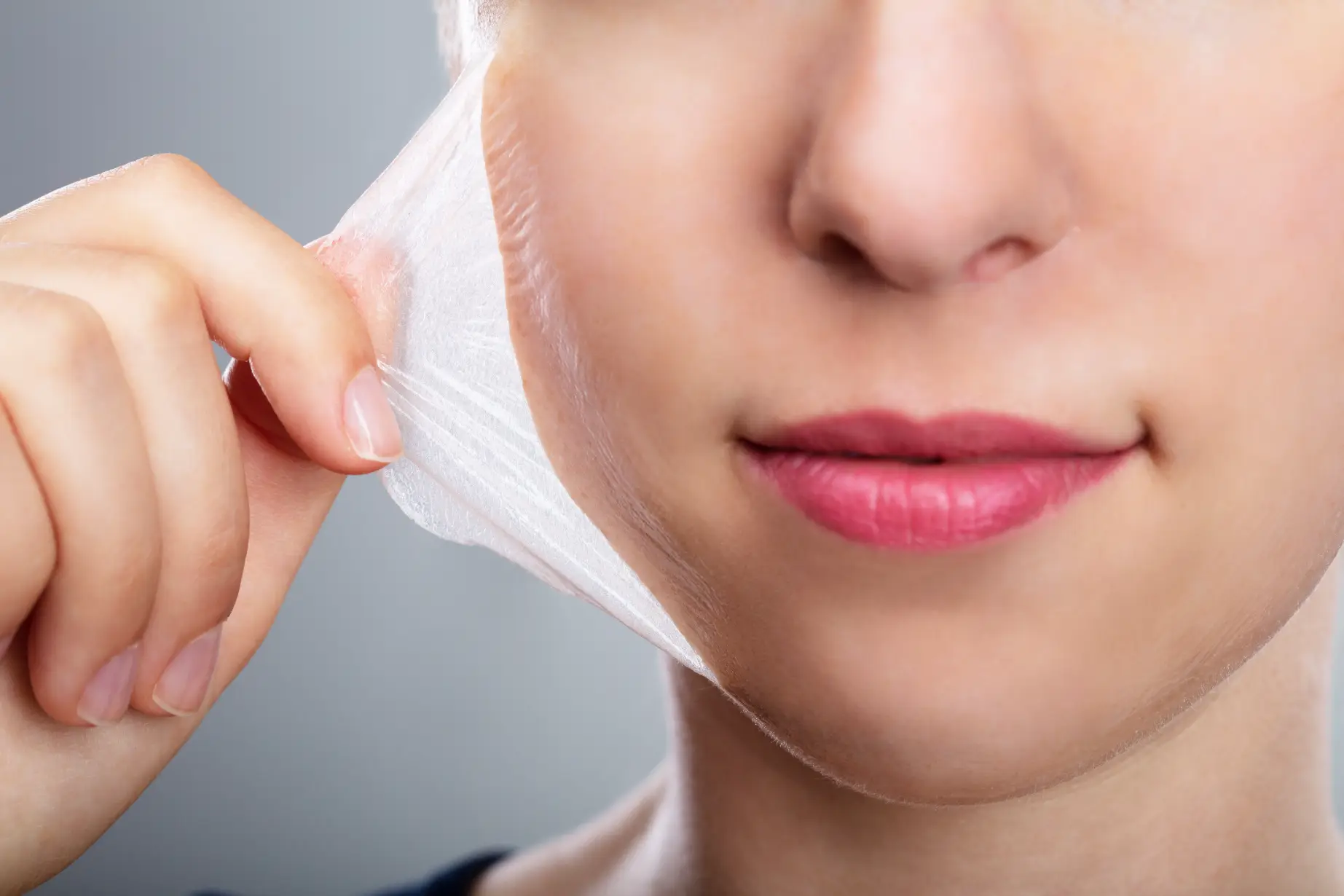
Before discussing specific symptoms, it helps to understand why hormones affect the skin so dramatically. Estrogen plays a major role in maintaining hydration, collagen production, elasticity, and skin thickness. When estrogen levels begin to decline, the skin often becomes one of the first places where those changes become visible.
Many women notice that their complexion suddenly feels different. Skin may appear thinner, less radiant, or more sensitive than it did just a few years earlier. These hormonal skin changes aren’t necessarily caused by aging alone. In many cases, shifting hormone levels are influencing how the skin functions beneath the surface.
Understanding that connection helps explain why skincare products alone don’t always solve the problem.
When Dryness Appears Out of Nowhere
One of the most common complaints associated with changing hormones is persistent dryness. Patients often describe a situation where products they’ve used successfully for years suddenly stop working. Moisturizers seem less effective, makeup sits differently on the skin, and the complexion feels tight despite increased skincare efforts.
This happens because declining estrogen can affect the skin’s ability to retain moisture. As hydration levels decrease, skin may become:
- Rougher
- Duller
- More sensitive
- Less resilient
- More prone to irritation
For many women, addressing hormone health becomes an important part of supporting healthier skin from the inside out.
The Mystery of Lost Glow
Many women don’t initially describe their concern as aging. Instead, they simply say they look tired. The skin may lose some of its natural luminosity. The complexion appears flatter, less vibrant, and more fatigued. Even after adequate sleep or a relaxing vacation, that refreshed appearance seems harder to achieve.
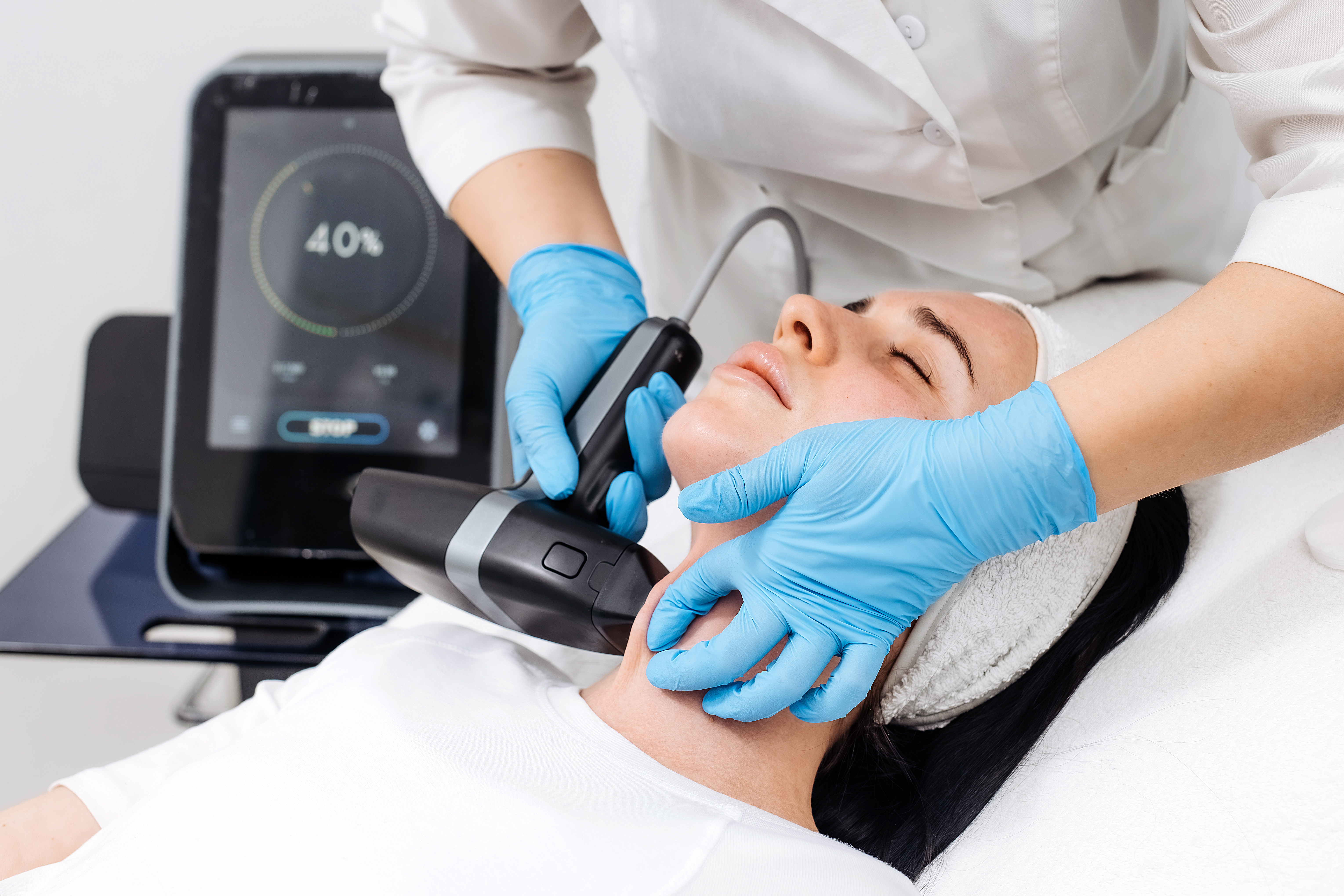
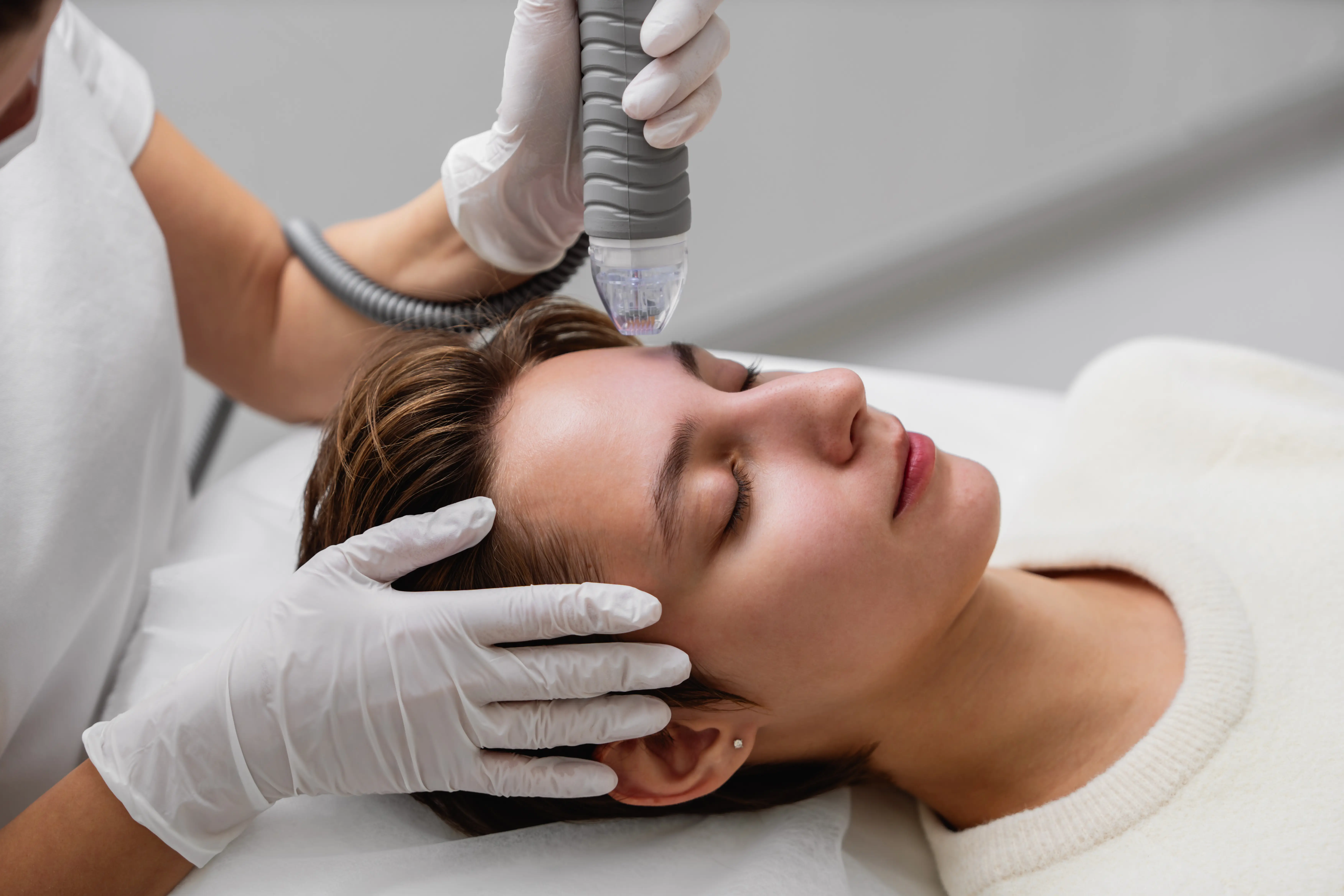
Hormonal changes can influence circulation, hydration, collagen levels, and cellular activity. Together, these factors contribute to the loss of radiance many women experience during perimenopause and menopause. While aesthetic treatments can certainly help support skin quality, understanding the hormonal component often provides a more complete picture.
Why Fine Lines Seem to Accelerate
A common frustration among women in their forties and fifties is the feeling that wrinkles suddenly appear faster than expected. This isn’t simply imagination.
Estrogen supports collagen production, which helps maintain skin structure and elasticity. As estrogen levels decline, collagen loss often accelerates. The result can include:
- Increased fine lines
- Reduced firmness
- More visible wrinkles
- Thinner skin texture
- Slower recovery from environmental damage
This is one reason menopause hormone therapy is often discussed not only in relation to symptom relief but also as part of a broader healthy aging strategy.
Energy Isn’t Just About Sleep
Skin changes may be visible, but energy shifts often have an even greater impact on daily life. Many women enter a cycle where they constantly feel exhausted despite doing everything “right.”
They sleep enough, eat relatively well, stay active, and still struggle to maintain energy levels. Fatigue and hormones are closely connected. Hormonal fluctuations can affect metabolism, sleep quality, stress responses, and overall cellular function.
Even when women spend enough time in bed, their bodies may not be getting the restorative benefits they need. The result is a type of exhaustion that feels difficult to explain and even harder to overcome.
The Brain Fog Nobody Talks About
Few symptoms create more frustration than brain fog. Women often describe difficulty concentrating, forgetting familiar information, struggling to stay organized, or feeling mentally slower than usual.
These experiences can be particularly alarming because they affect work performance, productivity, and confidence. Hormones influence neurotransmitters and brain function in complex ways.
During periods of hormonal transition, many women notice cognitive changes that feel entirely out of character. While occasional forgetfulness happens to everyone, persistent brain fog may be one indicator that hormone balance deserves closer evaluation.
Mood Changes That Feel Unexpected
Hormonal shifts don’t only affect the body. They also influence emotional well-being. Many women report experiencing:
- Increased irritability
- Anxiety
- Mood swings
- Reduced resilience to stress
- Emotional sensitivity
These changes can occur even among women with no prior history of mood-related concerns. Because hormones interact with brain chemistry, fluctuations can have significant effects on emotional regulation.
Recognizing the connection helps women understand that these symptoms are not simply personality changes or signs of weakness. Often, they reflect underlying physiological shifts occurring within the body.

Weight Changes That Seem Unfair
One of the most common reasons women seek perimenopause treatment is unexpected weight gain. Patients frequently describe maintaining the same lifestyle habits while noticing changes in body composition, fat distribution, and metabolic function.
Hormonal changes can influence:
- Appetite regulation
- Fat storage
- Muscle maintenance
- Insulin sensitivity
- Energy utilization
This doesn’t mean weight management becomes impossible. However, it does mean that strategies that worked at age thirty may not be as effective at age fifty. Addressing hormone balance often becomes one piece of a broader wellness conversation.
Hair Changes Tell a Story Too
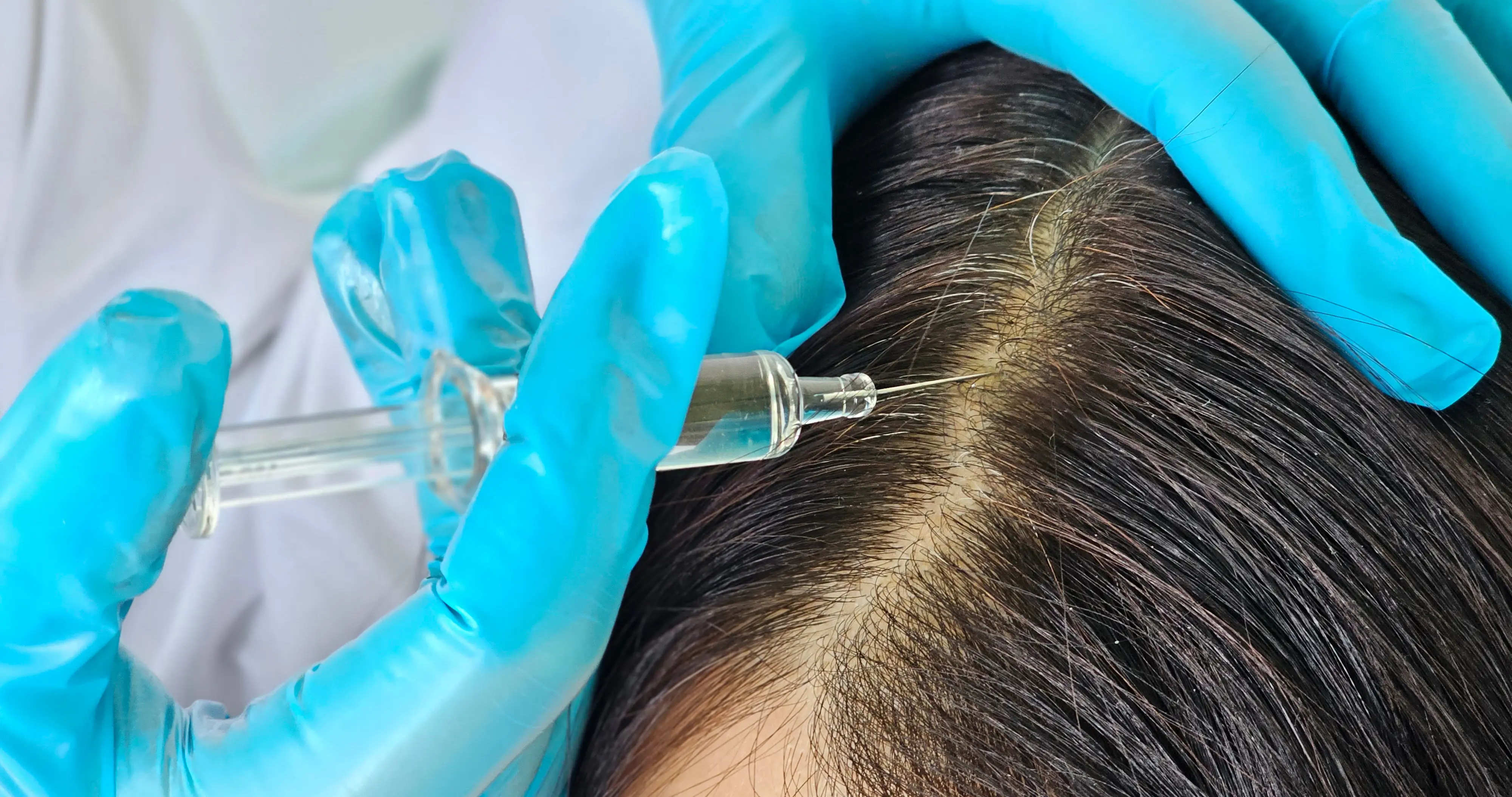
Hair health is another area heavily influenced by hormones. Many women notice increased shedding, thinning, or changes in texture during hormonal transitions. While genetics and nutrition certainly play roles, hormone fluctuations often contribute significantly.
When patients experience hair changes alongside fatigue, skin concerns, and mood shifts, it can create a more complete picture pointing toward a potential hormone imbalance. These symptoms rarely occur in isolation. Instead, they often appear as part of a larger pattern.
Feeling Like Yourself Again
Hot flashes may be the symptom everyone talks about, but they are only one part of the hormonal story. Changes in skin quality, energy levels, mood, focus, metabolism, and overall vitality can all be influenced by shifting hormone levels.
Understanding those connections is often the first step toward finding meaningful solutions. At Plaza Aesthetics & Wellness in Kansas City, women are encouraged to look beyond individual symptoms and explore the bigger picture of hormone health.
Through personalized evaluation and thoughtful treatment planning, women’s hormone replacement therapy can help support balance, confidence, and wellness during every phase of life.
Call us today to schedule your consultation!