
Top Skin Tightening Technologies: Radiofrequency, Ultrasound, and Laser Explained
Skin tightening refers to a group of non-surgical treatments designed to firm loose skin by stimulating collagen and elastin. The most commonly used technologies, radiofrequency, ultrasound, and laser, each work at different depths and are used for different goals, from improving skin texture to creating a subtle lift.
At Plaza Aesthetics & Wellness, this distinction is essential. While these treatments are often grouped, they are not interchangeable. Each targets a specific layer of the skin and is best suited for different concerns, whether the goal is firming, lifting, resurfacing, or a combination of all three.
What Is Skin Tightening?
The Role of Collagen and Elastin
Collagen gives skin structure. Elastin helps it stretch and return to shape. As both decline over time, skin can begin to look thinner, looser, and less supported. That is when patients often notice softening along the jawline, crepey texture, fine lines, or a loss of firmness.
How Non-Surgical Skin Tightening Works
Most non-surgical skin tightening treatments use controlled energy to heat deeper layers of skin. That heat triggers a healing response, which encourages collagen remodeling and collagen stimulation over time. Rather than creating an instant change, these treatments support gradual improvement as the skin rebuilds from within.
What Skin Tightening Can and Cannot Do
A skin firming treatment can help improve mild to moderate laxity, refine texture, and create a firmer appearance. It can also support collagen stimulation treatment goals in the face, neck, and body. What it cannot do is replace surgery for advanced sagging or significant excess skin. Clear expectations are part of good treatment planning.
Why Skin Tightening Technologies Are Not One-Size-Fits-All
The most important concept in skin tightening is depth. Some technologies focus on surface concerns like texture and tone. Others work in the dermis to improve firmness. Others reach deeper structural layers where lifting support happens.
That is why it helps to separate the three goals:
- Firming: improving skin quality and elasticity
- Lifting: supporting deeper structures to reduce visible laxity
- Resurfacing: improving texture, fine lines, and tone at or near the surface
At Plaza Aesthetics & Wellness, treatment selection is based on anatomy, skin quality, goals, and safety, not on which device is trending.
Radiofrequency Skin Tightening
How Radiofrequency Works
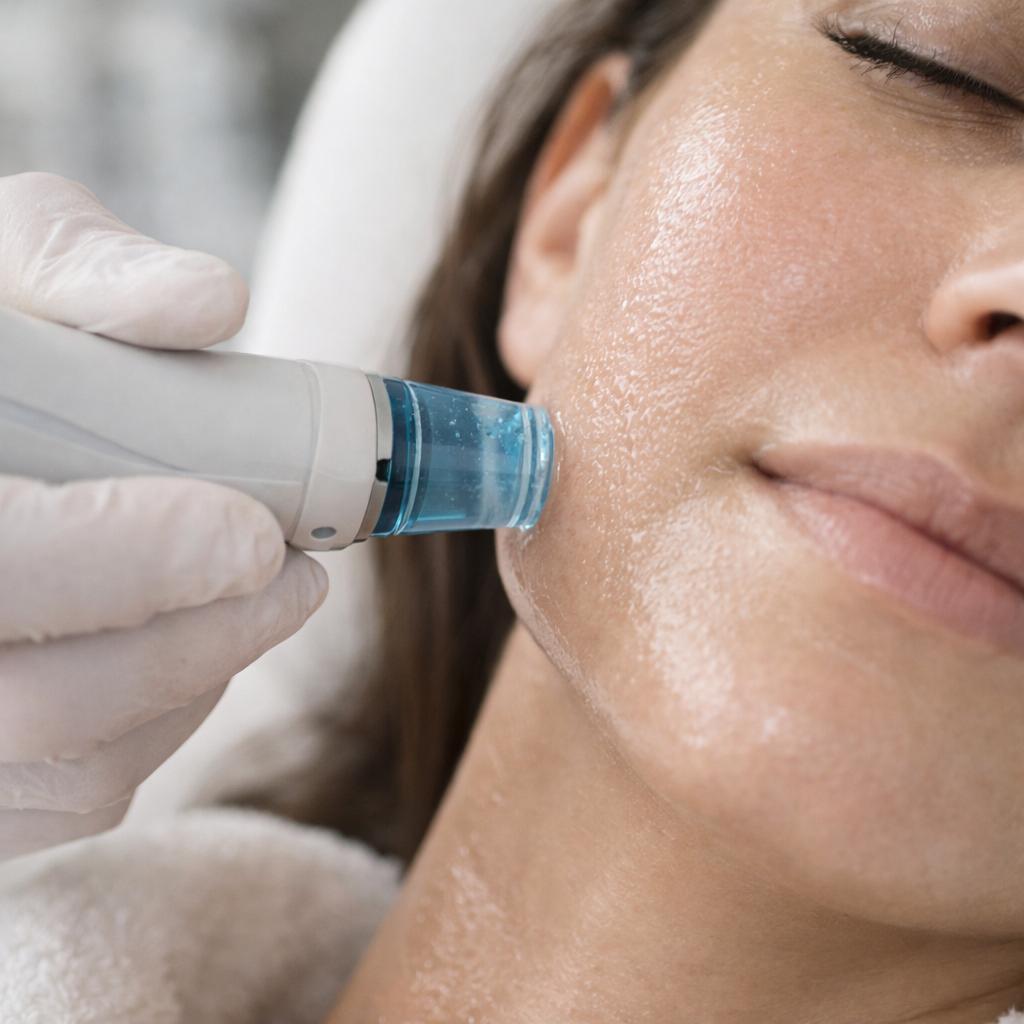
Radiofrequency skin tightening uses electrical energy to create controlled heat in the dermal layers. That heat stimulates collagen remodeling, supports tissue contraction, and helps improve overall firmness.
What RF Is Best For
Radiofrequency skin tightening is often a strong option for mild to moderate skin laxity, crepey skin, and early signs of aging. It is versatile enough for the face, neck, and body, which is one reason it remains a widely used non-surgical skin tightening approach.
RF Variations
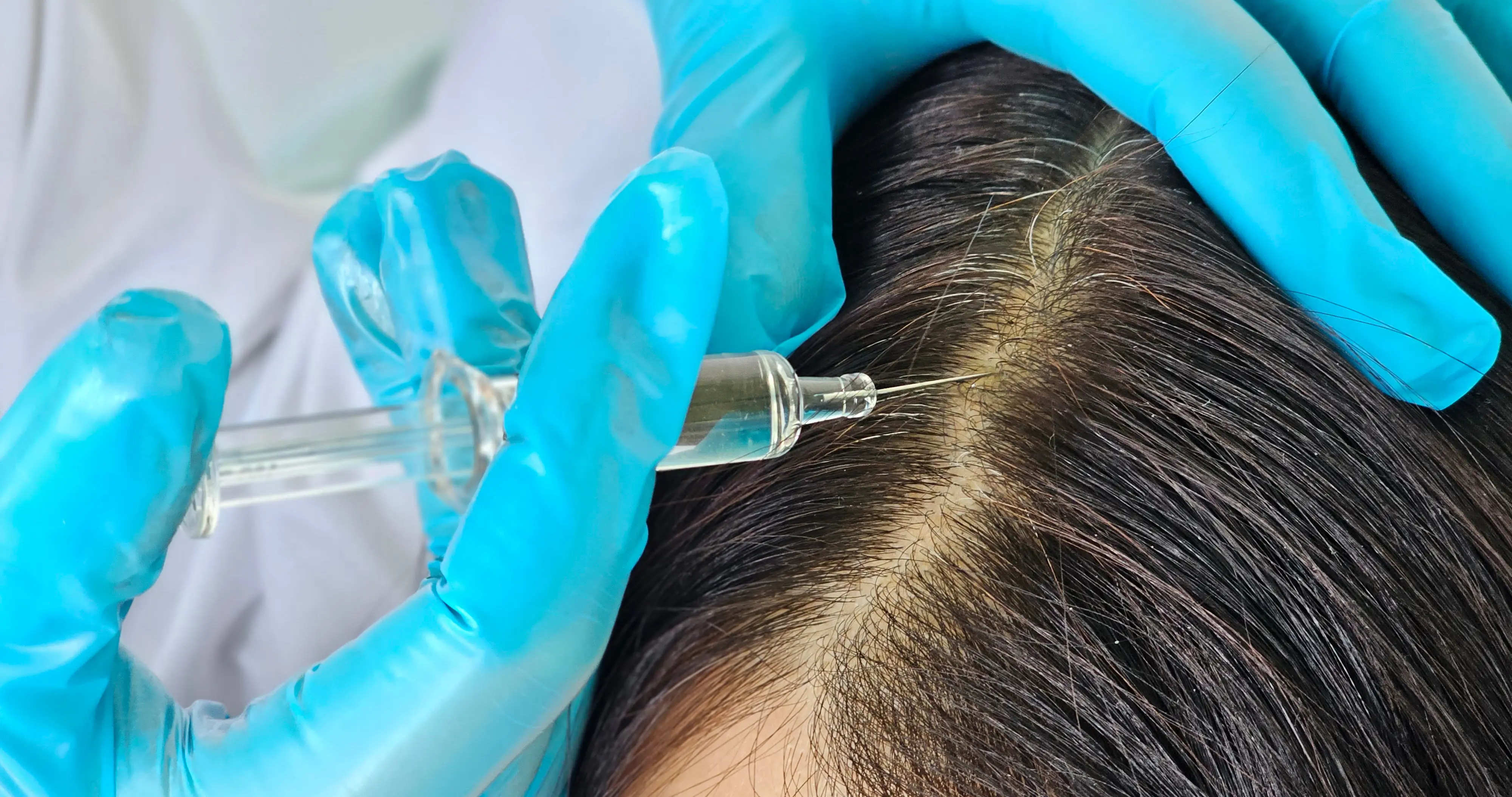
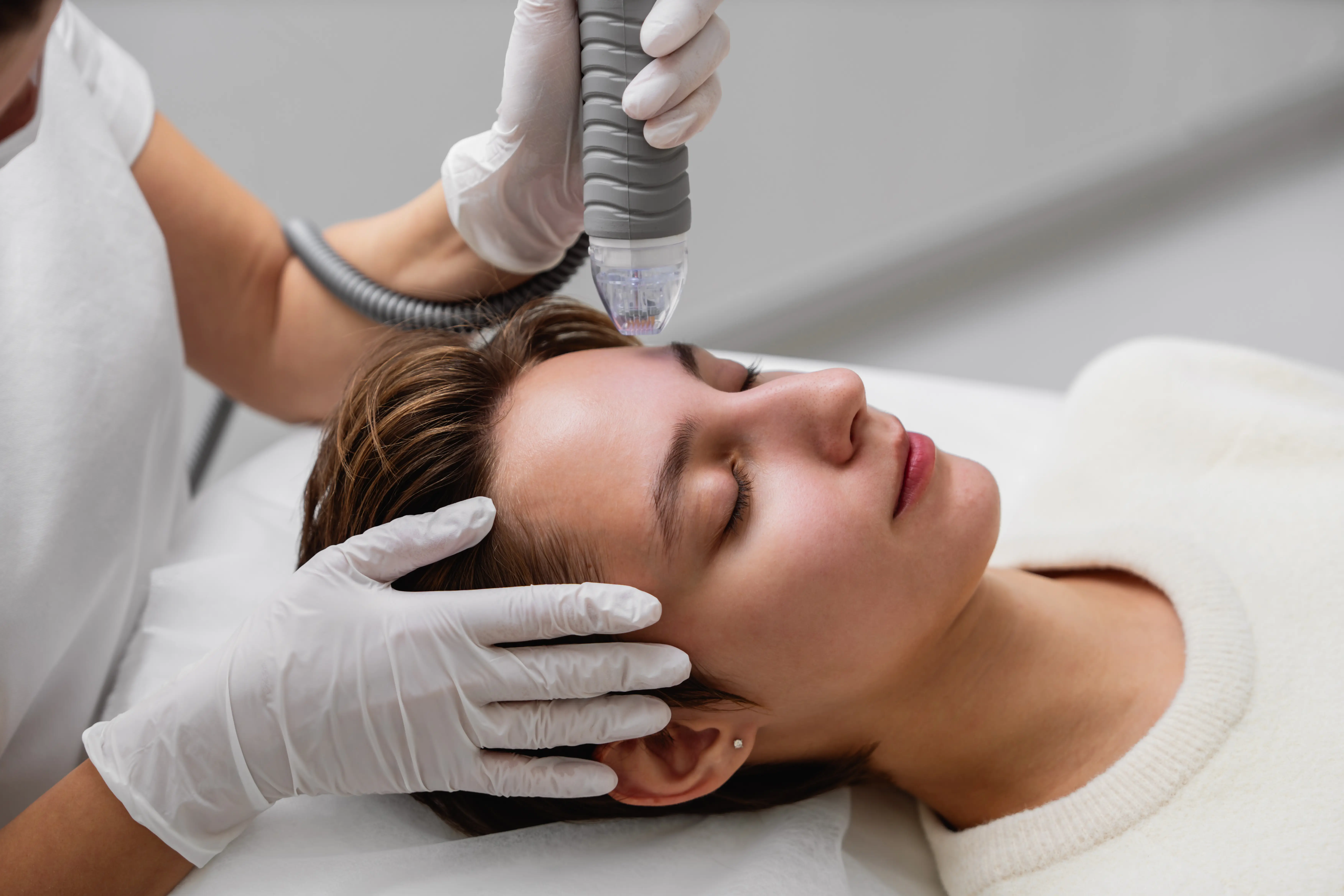
Standard RF creates broad heating through the tissue. RF microneedling adds needles to deliver energy more directly into deeper layers. That can make it especially useful when laxity and texture need to be addressed together. For patients exploring this category, Plaza Aesthetics & Wellness offers advanced options like Morpheus8 as part of a customized plan.
What Patients Can Expect
RF is often described as a warm treatment with minimal downtime. Some redness or temporary swelling can happen, but results are usually gradual and natural-looking rather than immediate.
Ultrasound Skin Tightening
How Ultrasound Works
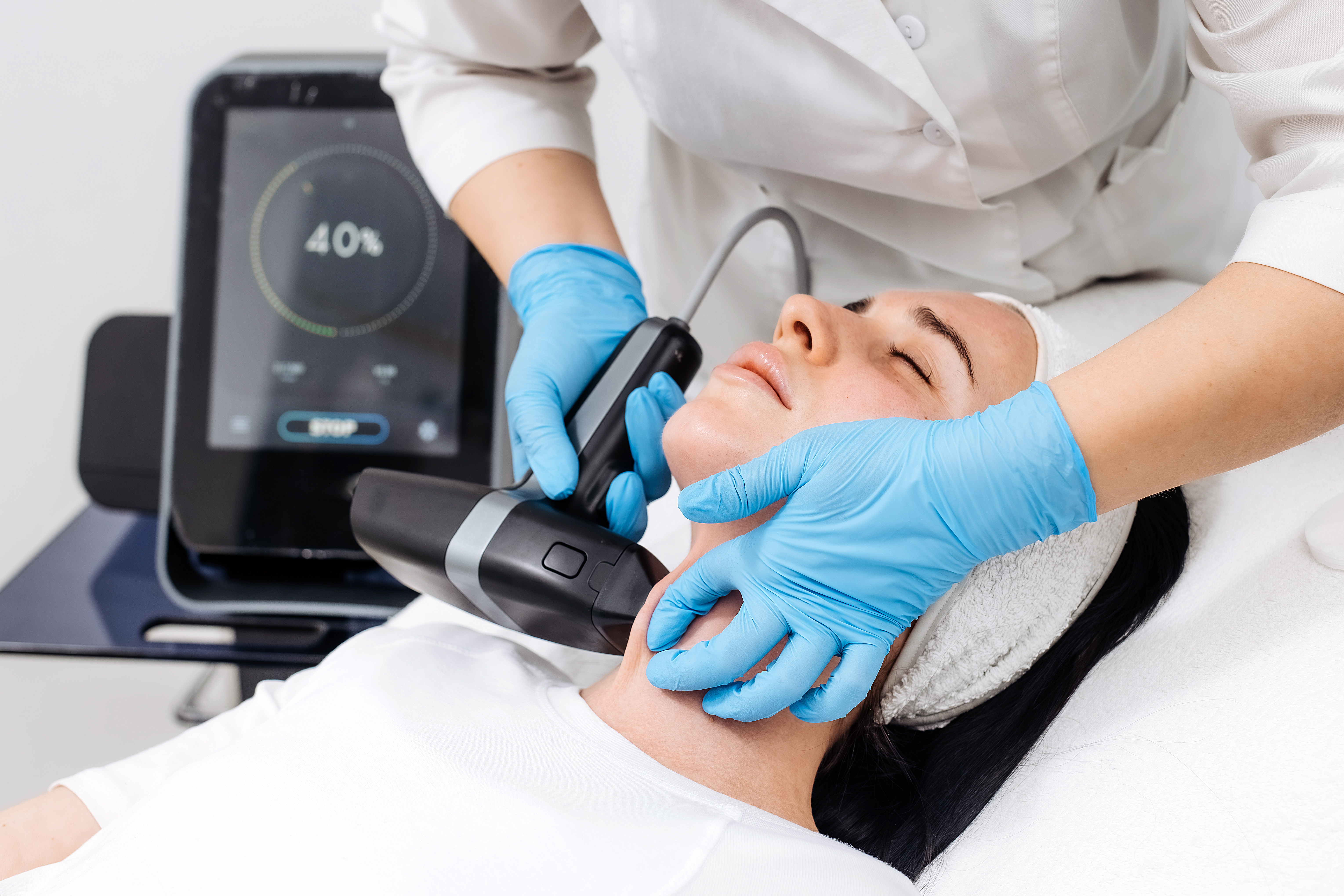
Ultrasound skin tightening uses focused sound waves to deliver energy into deeper tissue layers. Unlike treatments that mainly target surface quality, ultrasound is used when deeper structural support is the goal.
What Ultrasound Is Best For
Ultrasound skin tightening is most often associated with lifting-focused concerns, especially around the jawline, under the chin, neck, and brow. It can be a useful option for patients who want more support in areas where laxity is starting to show.
What Makes It Different
Its biggest difference is depth. Ultrasound is designed to target deeper structural layers than many radiofrequency or laser treatments. That makes it more about lift and support than surface refinement.
What Patients Can Expect
Patients often feel a brief, deeper sensation during treatment, but downtime is typically limited. As with other collagen stimulation treatments, the visible change develops gradually.
Laser Skin Tightening
How Laser Technology Works
Laser skin tightening uses light energy to heat targeted tissue. Depending on the device, that energy can improve collagen production while also refining the skin’s surface.
Types of Lasers
Some lasers are ablative, meaning they remove part of the skin’s surface. Others are non-ablative and work below the surface with less downtime. That difference matters when a patient wants tightening plus resurfacing.
What Laser Is Best For
Laser skin tightening is often best for patients who want help with texture, tone, pigmentation, fine lines, and mild laxity all at once. If the concern includes sun damage or uneven texture as much as looseness, a laser may make more sense than a lift-focused device alone. Plaza Aesthetics & Wellness uses advanced laser technology, including HALO laser resurfacing, when resurfacing and collagen support need to work together.
What Patients Can Expect
Laser downtime varies by intensity. Some treatments involve only mild redness, while others require more recovery. The benefit is that lasers can address both surface quality and skin tightening in the same plan.
Radiofrequency vs Ultrasound vs Laser
| Technology | Primary Depth | Best For | Key Benefit | Downtime |
| Radiofrequency | Dermal to subdermal | Mild laxity, crepey skin, broader firming | Collagen remodeling and overall firming | Minimal |
| Ultrasound | Deeper structural layers | Jawline, neck, under chin, brow | Lift-focused support | Minimal |
| Laser | Surface to mid-depth | Texture, tone, fine lines, mild laxity | Resurfacing plus tightening | Varies |
In simple terms, RF supports broad firming, ultrasound supports deeper lifting, and laser supports surface refinement with collagen stimulation. At Plaza Aesthetics & Wellness, these are not viewed as competing treatments, but as different tools for different concerns.
Which Skin Tightening Treatment Is Right for You?
Based on Your Concern
If the concern is jawline softening or under-chin laxity, deeper support may matter most. If the issue is crepey skin or early laxity, radiofrequency may be more appropriate. If texture, pigment, and fine lines are part of the picture, laser skin tightening may offer more complete improvement.
Based on Your Goals
Some patients want subtle maintenance. Others want more visible correction. Some are trying to stay ahead of collagen loss, while others are treating changes that are already established.
Based on Your Skin Type and Safety
Skin tone, skin sensitivity, and treatment settings all matter. Safe treatment planning should never be one-size-fits-all. This is one reason Plaza Aesthetics & Wellness emphasizes inclusive care and individualized consultation.
Why Consultation Matters
The right collagen stimulation treatment depends on the concern, the tissue depth involved, and the outcome you want. A consultation helps match the treatment to the problem rather than forcing every patient into the same category.
Can Treatments Be Combined?
Yes. In many cases, combination plans make the most sense. A patient may need radiofrequency for firming and a laser for surface texture, or deeper support alongside a resurfacing treatment. This layered approach is often more useful than asking which single technology is “best.”
For patients exploring broader skin rejuvenation treatments, Plaza Aesthetics & Wellness often takes this customized approach.
Safety, Side Effects, and Realistic Expectations
Most non-surgical skin tightening treatments can cause temporary redness, swelling, or sensitivity. Results are gradual because collagen remodeling takes time. They are also not permanent. Maintenance, sun protection, and a long-term skin plan all matter.
Good outcomes come from realistic expectations. Non-surgical skin tightening can improve firmness and support, but it does not create the same result as surgery for advanced laxity.
The Role of Long-Term Skin Strategy
A skin firming treatment works best as part of a larger strategy, not as a one-time event. Daily sun protection, quality skincare, and maintenance treatments can all help support results over time. Plaza Aesthetics & Wellness approaches skin health as a long-term relationship, not a quick fix.

Why Technology Alone Isn’t Enough
Technology matters, but outcomes depend just as much on assessment, device selection, safety protocols, and provider judgment. At Plaza Aesthetics & Wellness, physician-led planning, customized care, and attention to skin tone safety are central to treatment decisions. That is what helps turn powerful devices into thoughtful results.
Choosing the Right Skin Tightening Treatment Starts with the Right Assessment
If you are considering skin tightening, the next step is not choosing the most popular device. It is understanding what your skin actually needs. Choosing the wrong technology can lead to disappointing results; this is why personalized assessment matters.
A personalized consultation at Plaza Aesthetics & Wellness can help determine whether radiofrequency, ultrasound, laser, or a combination approach makes the most sense for your goals.
Frequently Asked Question
How long does it take to see results from skin tightening treatments?
Most results develop gradually as collagen remodeling continues after treatment.
Are non-surgical skin tightening treatments safe for darker skin tones?
They can be, but safety depends on the technology, settings, and provider expertise.
Can skin tightening help with acne scars or uneven texture?
Some treatments, especially laser and RF microneedling, may help when texture is part of the concern.
How often do you need maintenance treatments for skin tightening?
That depends on the treatment used, your skin quality, and how your goals change over time.
Is there a best age to start non-surgical skin tightening?
There is no single best age. Treatment timing depends more on skin condition, collagen loss, and individual goals than on age alone.