

Fine lines and expression wrinkles are part of living, not a flaw to erase, but when patients seek to soften these signs of aging, the conversation often begins with wrinkle relaxers. For years, Botox has been the most recognized name in neuromodulators. Now, with the FDA approval of Letybo in 2024, patients are asking about a new option.
At Plaza Aesthetics & Wellness, we approach every new product with caution and clinical scrutiny. This guide outlines how Letybo compares to Botox in terms of formulation, onset, longevity, safety, and suitability. If you’re navigating these choices, we aim to inform, not persuade.
What Is Letybo, and How Is It Different from Botox?
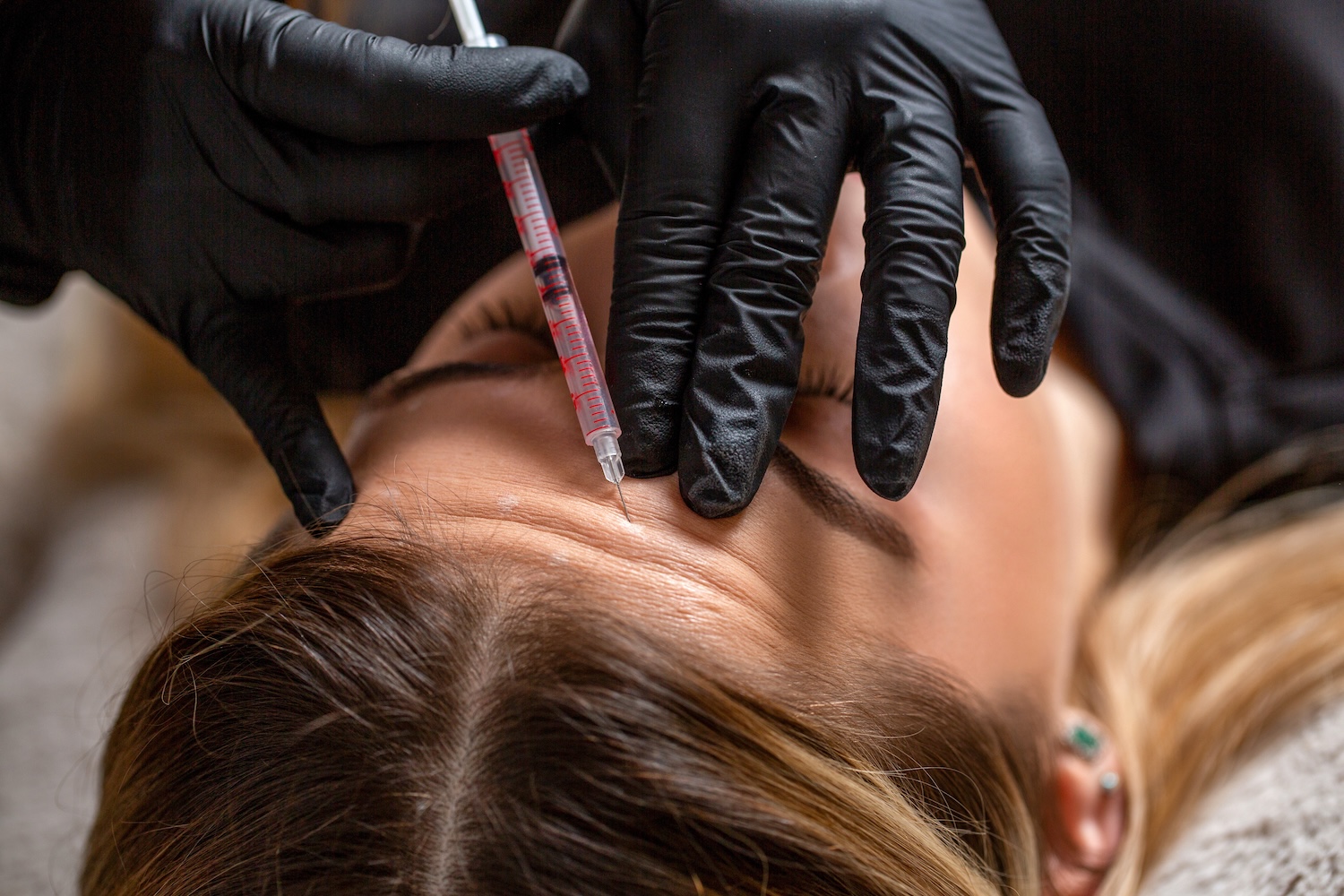
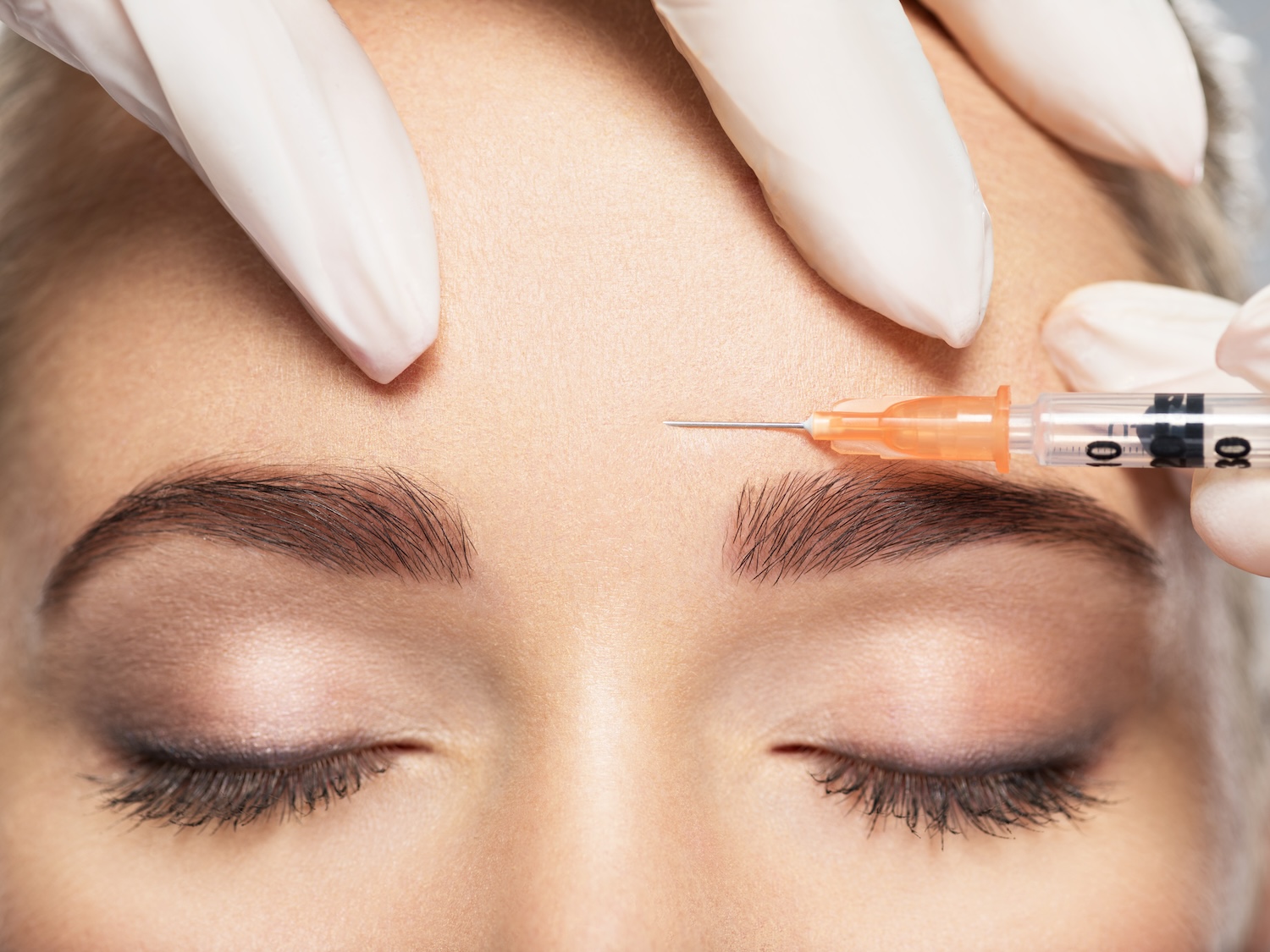
Letybo is a botulinum toxin type A injectable, developed by Hugel, Inc., a South Korean pharmaceutical company with a long-standing global presence in aesthetic medicine. It entered the U.S. market following FDA approval in March 2024, after over 31 million procedures performed worldwide. Like Botox, Letybo temporarily relaxes targeted facial muscles to smooth dynamic wrinkles, primarily in areas such as the forehead, glabella (frown lines), and crow’s feet.
Botox, produced by Allergan, received cosmetic FDA clearance in 2002 and remains a foundational treatment in medical aesthetics. Both products are classified as neuromodulators and use botulinum toxin type A to temporarily inhibit muscle contraction.
The difference lies not in what they do, but in how they’re formulated, how quickly they begin working, and how your body responds to each.
How Do Neuromodulators Like Letybo Work?
Both Letybo and Botox function by interrupting the nerve signals that trigger muscle contractions. This leads to a softening of the repetitive facial movements responsible for wrinkles over time. Neither product adds volume; instead, they reduce the mechanical tension that creases the skin.
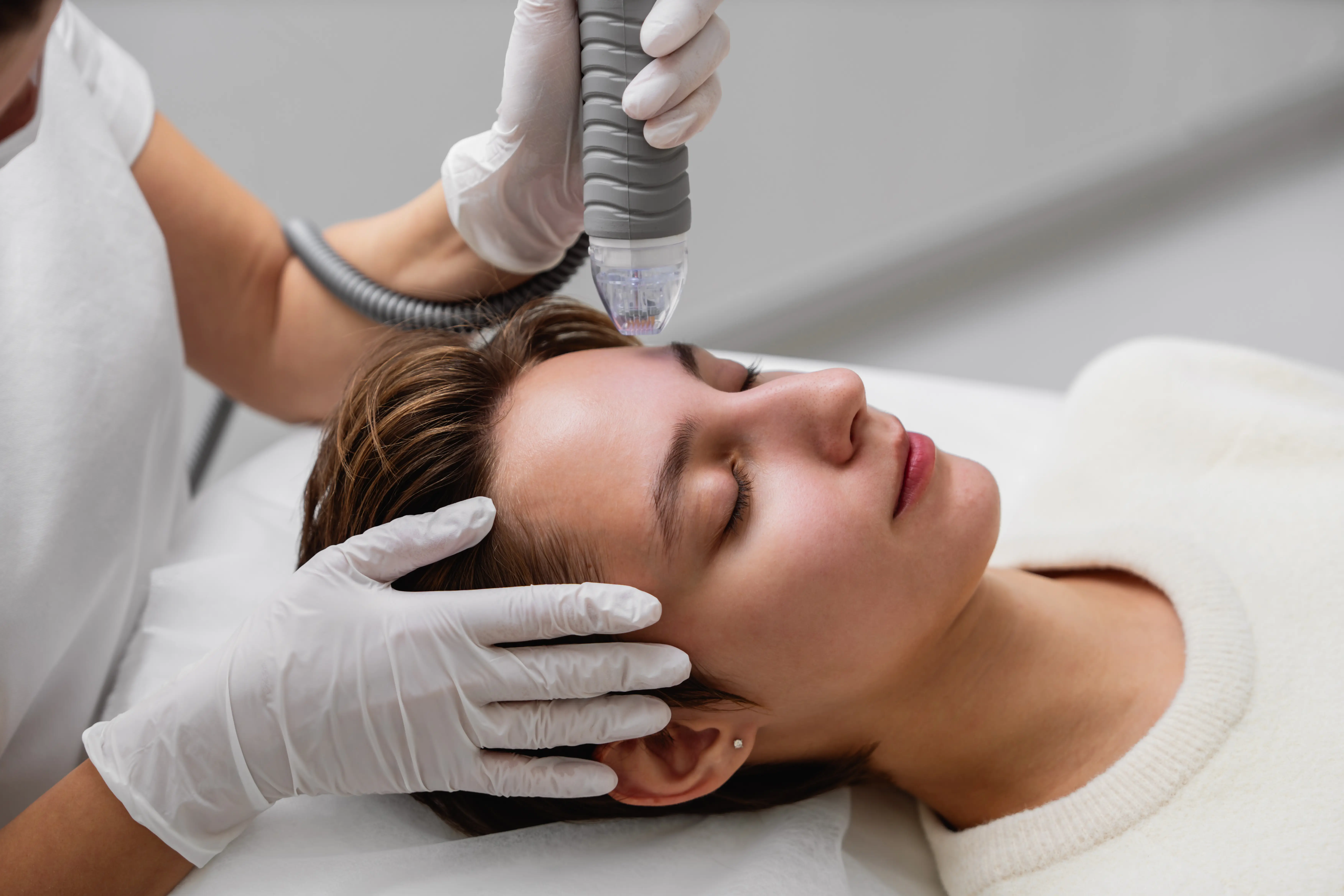
This mechanism makes them ideal for treating dynamic wrinkles, the lines that form from years of expression, such as furrowing your brows, squinting, or raising your eyebrows. At Plaza Aesthetics, we often incorporate wrinkle relaxers into personalized treatment plans that may also include dermal fillers or skin resurfacing technologies like Sciton HALO when appropriate.
While the active ingredient is the same, the molecular structure and formulation differ slightly. These subtle differences can influence onset, diffusion, and duration, factors that matter when tailoring treatment to your facial anatomy.
Letybo vs. Botox: What Are the Key Differences?
| Feature | Letybo | Botox |
| Manufacturer | Hugel (South Korea) | Allergan (USA) |
| FDA Approval | 2024 (U.S. market) | 2002 (cosmetic use) |
| Onset of Action | ~2–3 days | ~3–5 days |
| Duration | 3–4 months | 3–4 months |
| Cost per Unit | Typically lower | Typically higher |
| Formulation Purity | High-purity, no accessory proteins | Stabilizing proteins present |
| Diffusion/Spread | Slightly lower spread | Controlled and consistent |
While these differences may seem minor, they can influence treatment choice depending on individual goals. For example, someone looking for a faster onset might favor Letybo. Others who value long-term familiarity may continue with Botox, especially if past treatments have delivered consistent outcomes.
How Long Do Results Last, and How Soon Will I See Them?
Letybo has been shown to deliver visible improvement as early as Day 2, with full results developing by Day 7–10. Botox typically begins to take effect around Day 3, with peak results by Week 2. In terms of longevity, both products last approximately three to four months, although personal metabolism, dosage, and muscle strength can influence that window.
At Plaza, we review your medical history, facial movement patterns, and goals before determining the most appropriate neuromodulator and dosage. Our patients appreciate knowing that every treatment is physician-guided and that we err on the side of subtlety, building results conservatively over time.
Letybo Safety & Plaza’s Physician-Led Oversight
Safety is the first lens through which every treatment is evaluated at Plaza Aesthetics. Letybo has undergone extensive clinical trials globally and in the U.S., earning its FDA approval after demonstrating safety and efficacy for moderate to severe glabellar lines.
Common side effects, such as slight redness, swelling, or tenderness at the injection site, are temporary and consistent with all wrinkle relaxers. More serious risks, including ptosis (eyelid droop), are rare and typically linked to incorrect dosing or placement. Our medical team, including registered nurses under Dr. Amber Botros’ supervision, follows strict injection protocols designed to minimize such outcomes.
Patients with specific health concerns, including autoimmune disorders or prior reactions to neuromodulators, receive additional screening before any treatment plan is finalized. This commitment to conservative dosing and clinical oversight is a core reason many patients turn to us after less personalized experiences elsewhere.
Who Might Prefer Letybo Over Botox?
Every patient’s anatomy, lifestyle, and aesthetic goals are different. For some, Letybo may offer distinct advantages. Patients seeking a faster onset of results often find that Letybo’s effects begin within 48–72 hours, ideal for those preparing for an event or with limited flexibility in their schedule.
Letybo’s high-purity formulation, containing only the active neurotoxin without accessory proteins, may also appeal to those who are exploring alternatives due to concerns about antibody formation. While this remains a rare issue with any botulinum toxin, patients who have used Botox for many years and feel their results have changed may consider rotating products under medical supervision.
Additionally, Letybo can be a thoughtful entry point for those exploring wrinkle relaxers for the first time. At Plaza Aesthetics, we take time to educate patients who are new to injectables, offering complimentary consultations that focus on expectations, dosing, and long-term planning. Because Letybo is typically priced lower per unit, it may be a practical starting place for someone building familiarity with the experience of neuromodulators.
Why We Don’t Treat Every Patient the Same at Plaza Aesthetics
The decision between Letybo and Botox is not about which product is superior. It’s about understanding which option best suits you, your facial structure, expression patterns, history with injectables, and vision for aesthetic care.
At Plaza, we do not rely on standardized dosing or menu-style treatment options. Every injectable plan is custom-built using clinical evaluation and, when appropriate, VISIA skin analysis to assess the skin’s surface and subdermal structure. We document baseline movement, review prior responses to neuromodulators, and develop a conservative protocol that supports both immediate outcomes and long-term skin health.
This method also guides how we introduce newer products like Letybo. Patients who are switching from another brand can expect a deliberate transition plan, which may involve revised injection points, altered units, and closer follow-up.
Our goal is not to follow trends. It is to provide evidence-driven care that respects the integrity of your face and your trust in us.
Botox or Letybo? Our Take as a Physician-Led Clinic
Both Letybo and Botox are effective tools in modern aesthetics. Each offers its own strengths: Botox with its decades of predictable performance, and Letybo with its clean formulation and emerging versatility. What matters most is not the label on the vial but the hands, training, and protocols behind the injection.
At Plaza Aesthetics, wrinkle relaxers are never administered without a full clinical evaluation. Whether you’re new to treatment or considering a shift in your regimen, we’ll help you determine which product aligns with your goals, not based on trend or pricing alone, but through informed, physician-backed guidance.
You don’t need to choose between Letybo or Botox today. You need a provider who listens, educates, and designs a plan for the face you live in, not the one marketed online.
Start Your Personalized Botox or Letybo Consultation Today
We invite you to begin with a conversation. Our complimentary consultations are focused, educational, and designed for patients who want more than fast fixes; they want care that lasts.
Your aesthetic journey should feel safe, personal, and empowering. Whether you’re looking for subtle prevention or are refining a treatment that no longer feels effective, we’re here to guide, not guess.
Schedule your consultation with Plaza Aesthetics & Wellness and experience what it means to have a medically led partner in your skin health.
Frequently Asked Questions
How does Letybo differ from Botox in formulation?
Letybo contains a high-purity botulinum toxin type A without complexing proteins, while Botox includes accessory proteins that stabilize the molecule. This may influence how the product spreads or how the body responds over repeated use.
What is the typical onset time for Letybo and Botox?
Letybo begins showing effects within 2–3 days post-injection, whereas Botox typically takes 3–5 days to start working. Full results from both products are generally visible within 10–14 days.
How long do the results from Letybo or Botox last?
Both Letybo and Botox produce visible wrinkle reduction that typically lasts 3 to 4 months, depending on metabolism, dosage, and area treated.
Can patients switch from Botox to Letybo safely?
Switching between neuromodulators is considered safe when guided by a licensed injector who adjusts units and injection sites accordingly.
Is Letybo suitable for all skin tones?
Letybo has shown safety and efficacy across diverse Fitzpatrick skin types in global use and U.S. trials, aligning with Plaza’s commitment to inclusive, evidence-based care.