
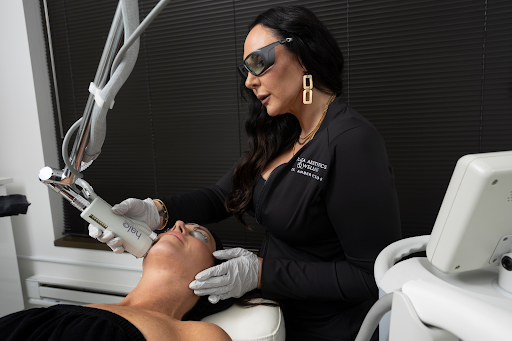
When researching laser resurfacing, you’ll quickly notice price quotes ranging anywhere from $600 to over $8,000 per session. Why such a massive range? Because “laser resurfacing” isn’t a single treatment — it’s a category of procedures that vary dramatically in how they work, how deeply they treat the skin, and what they’re capable of correcting.
And while reviews on specific laser treatments can feel mixed, the bigger picture is more consistent, with 89% of RealSelf patients claiming laser resurfacing say laser skin resurfacing was “worth it.”
What separates those satisfied patients from the remaining 11% isn’t whether laser resurfacing works — it’s whether the right laser approach was chosen for their skin concerns, recovery capacity, and budget.
In many cases, disappointment comes down to a mismatch. Choosing a gentler treatment for more advanced concerns can mean multiple sessions that still fall short of expectations. On the flip side, choosing an overly aggressive laser for mild concerns can lead to unnecessary expense, extended downtime, and higher complication risk.
This guide breaks down what actually drives laser resurfacing pricing — and how to evaluate whether a treatment will deliver real value for your specific situation.
What Drives the Base Cost of Laser Resurfacing?
Laser resurfacing pricing isn’t a simple formula of “condition + device = cost.” Instead, it’s a balancing act between several overlapping factors — and within each factor are additional variables that influence your total investment.
1. Type of Skin Concerns
Different skin concerns live at different levels of the skin, requiring different treatment strategies.
Common concerns treated with laser resurfacing include:
- Acne-related concerns, from lingering surface marks to deep, pitted scars
- Wrinkles and lines, ranging from early fine lines to deeper, etched wrinkles
- Sun damage and pigmentation, from mild uneven tone to advanced photodamage
- Surface texture irregularities, such as rough or uneven skin
- Enlarged pores, which reflect both surface changes and underlying support loss
2. Depth of Skin Concerns
Cost is driven not just by what the concern is, but how deep it goes.
- Fine lines and mild discoloration typically sit closer to the surface
- Moderate wrinkles, persistent pigmentation, and texture changes extend deeper
- Deep wrinkles, tethered acne scars, and long-standing sun damage often involve multiple skin layers
Deeper concerns require more intensive energy delivery, greater precision, and advanced technology—directly increasing both pricing and recovery demands.
3. Overall Treatment Goals
Cost also reflects how much you’re trying to accomplish in a single treatment.
Treating one isolated concern in a small area is less involved than improving overall skin quality across the face, neck, or chest. Patients seeking improvement in tone, texture, fine lines, and sun damage simultaneously require more time, expertise, and technology.
In short, laser resurfacing cost isn’t just about the laser—it’s about how much work the treatment is doing in one session.
4. Laser Type, Depth, and Delivery Method
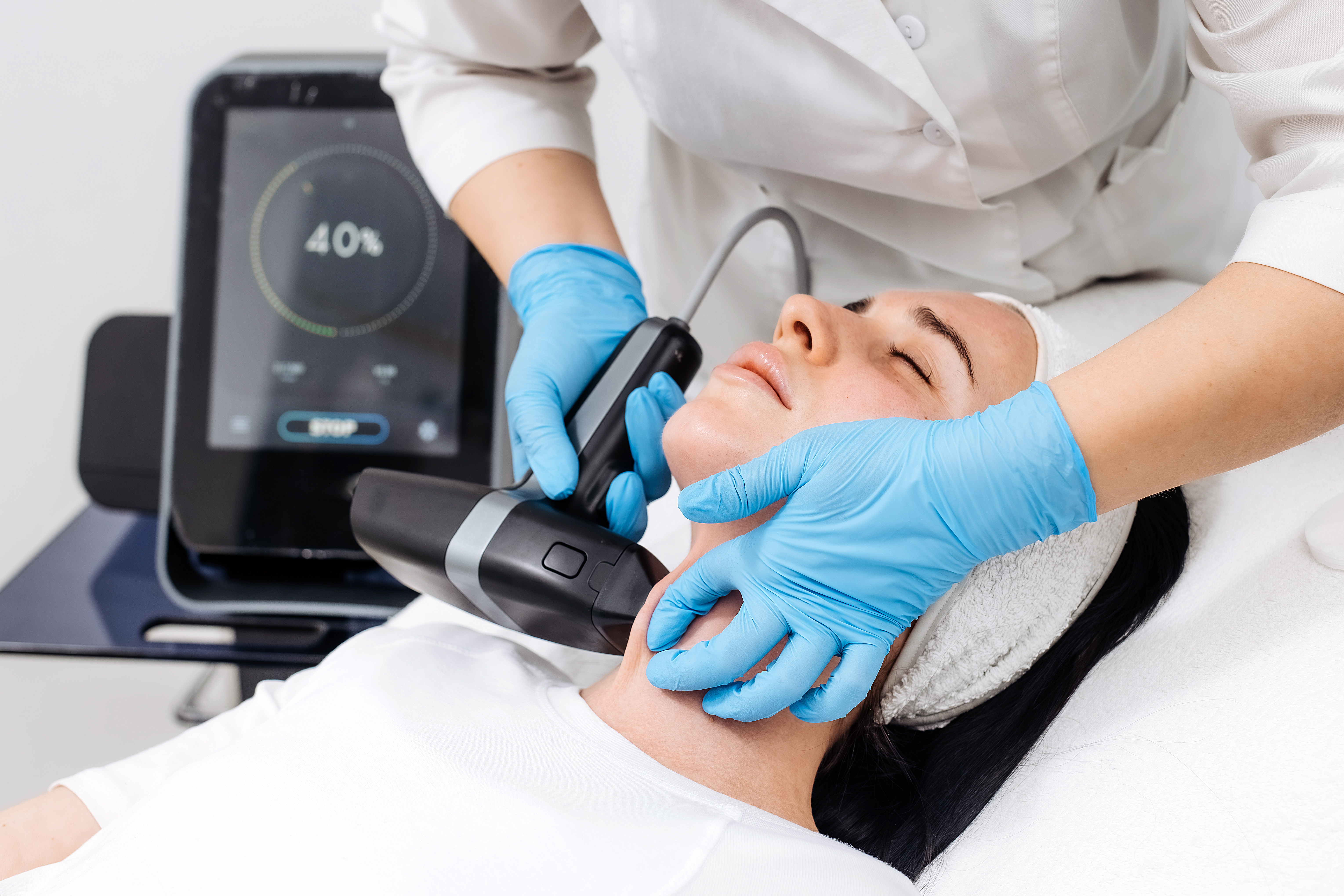
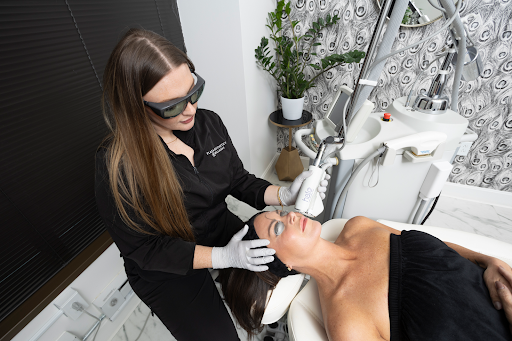
All laser resurfacing treatments work on the same basic principle: delivering controlled light energy into the skin to stimulate healing and collagen production. Where costs start to diverge is how deeply that energy treats the skin, how it’s delivered, and how many sessions are needed to achieve results.
Non-Ablative Lasers: Lower Cost per Session, Cumulative Results
Non-ablative lasers heat deeper layers of skin without removing the surface. They’re best suited for fine lines, mild texture irregularities, pigmentation concerns, and overall skin rejuvenation. Downtime is minimal, but results build gradually.
- Typical cost: $1,000–$3,000 per session
- Number of sessions: Typically 3-5+
- Trade-off: Lower upfront cost, higher total investment over time
Ablative Lasers: Higher Intensity, Fewer Treatments
Ablative lasers, including CO₂ and erbium systems, remove the outer layer of skin to trigger regeneration. This approach delivers the most dramatic improvements in wrinkles, texture, and scarring, but requires longer recovery.
- Typical cost: $2,500–$2,800+ per treatment
- Number of treatments: Often 1–2
- Trade-off: Higher upfront cost, longer downtime
Hybrid Fractional Lasers: The Middle Ground
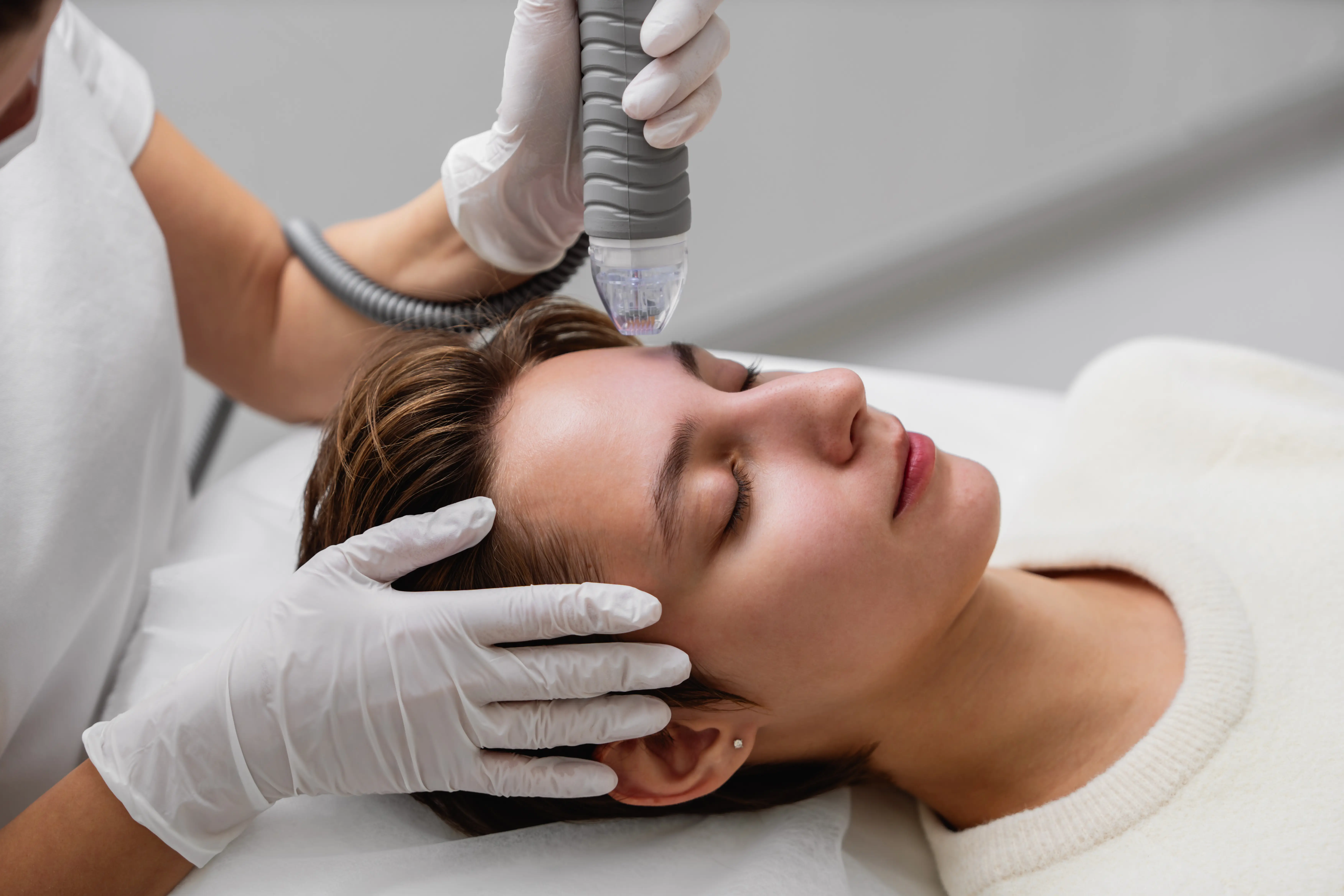
Hybrid fractional lasers combine both approaches in a single treatment. Sciton HALO, for example, pairs fractional erbium resurfacing for surface correction with non-ablative energy to stimulate deeper collagen.
- Typical cost: Around $1,500 per session
- Number of treatments: Often 1–2
Advantage: Ablative-level results with significantly less downtime than traditional CO₂ resurfacing
Rather than choosing between surface correction or deeper rejuvenation, hybrid treatments address both layers at once. For many patients, this efficiency reduces the need for repeat sessions and makes the overall investment easier to predict and manage.
Other Factors That Impact Your Total Investment
Laser resurfacing cost isn’t limited to the treatment itself. Recovery demands, complication risk, and how much a single session actually accomplishes all influence the true investment.
Complication Risk and Recovery-Related Costs
More aggressive treatments—particularly full-field CO₂ resurfacing—carry a higher risk of side effects that may require additional care. While complications are uncommon with experienced providers, they can significantly increase overall cost when they occur.
Potential added expenses may include:
- Post-inflammatory hyperpigmentation (PIH): More common in medium to darker skin tones and with aggressive ablative treatments
- Extended redness: Sometimes requiring prescription skincare or in-office management
- Infection: Rare, but costly when additional visits or antibiotics are needed
- Scarring: Extremely uncommon, but the most expensive complication if it occurs
Hybrid fractional systems help reduce these risks. By delivering energy in microscopic columns and preserving surrounding tissue, fractional treatments typically support faster healing, fewer follow-up visits, and more predictable downtime—lowering both direct and indirect recovery-related costs.
The Multi-Tasking Advantages
Another factor that affects overall value is how much a single treatment can accomplish.
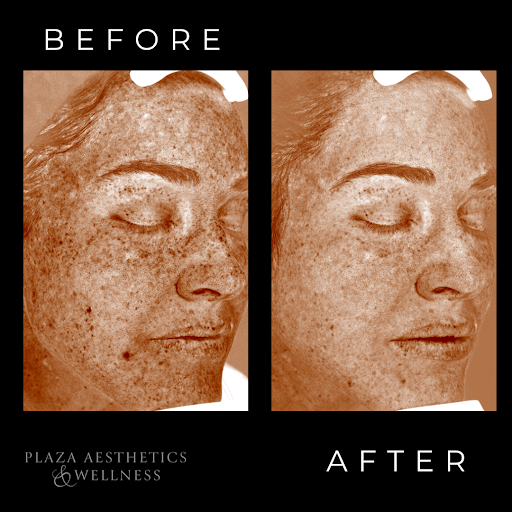
Hybrid fractional lasers treat both surface damage and deeper skin quality in the same session, reducing the need to layer multiple procedures. With Sciton HALO, this combined approach often leads to a brighter, more even appearance—commonly referred to as the “HALO glow.”
Because improvements occur across multiple skin layers at once, many patients need fewer follow-up treatments to maintain results. Over time, that efficiency allows the initial investment to go further than treatments that target only one concern at a time.
Why Provider Expertise Matters More Than Price Alone
Understanding laser resurfacing costs is one thing; determining the right treatment approach for your skin requires clinical expertise that can’t be replaced by online research or forum advice.
That’s exactly why provider selection matters more than any other factor in determining whether your investment will feel worth it.
What Makes Physician-Led Practices Different
Physician-owned practices with board-certified oversight typically charge higher fees—but that premium reflects real expertise and infrastructure that directly affect safety, outcomes, and recovery:
- Medical training and judgment: Years of clinical training guide treatment planning, intensity selection, and complication management, with a deep understanding of how skin heals.
- Experienced medical teams: Registered nurses and licensed medical aestheticians can recognize early warning signs, adjust protocols, and support higher-level care during recovery.
- Conservative, risk-aware planning: Careful patient selection, skin-type calibration, and built-in safety protocols reduce the likelihood of costly complications.
- Ongoing education and certification: Advanced training, manufacturer certification, and continuing medical education require ongoing investment that is reflected in pricing.
- Clinical oversight infrastructure: Medical-grade facilities, appropriate liability coverage, on-site physician availability, and medication management capabilities support safer care throughout the treatment process.
The 89% of patients who say laser resurfacing was “worth it” didn’t just choose the right technology—they chose providers who could tailor treatment safely and realistically.
Why Laser Resurfacing Is Worth the Investment
Laser resurfacing doesn’t just polish the surface—it rebuilds skin from within. With proper skincare and sun protection, results can last for years, often making laser resurfacing more cost-effective than temporary solutions.
Patients commonly see:
- Reduced fine lines and wrinkles
- Improved skin tone and texture
- Minimized acne scars and enlarged pores
- Brighter, more even complexion
- Improved firmness from collagen stimulation
Few treatments offer such comprehensive improvement in a single procedure.
Get Expert Guidance on Laser Resurfacing Investment
At Plaza Aesthetics & Wellness in Kansas City, MO, we understand that navigating laser resurfacing options can feel overwhelming—especially when you’re trying to balance cost, recovery time, and expected results.
We work with Sciton laser technology, including Sciton HALO, because it allows for a high level of customization. Treatment depth, energy settings, and coverage can be precisely adjusted based on your skin type, concerns, and recovery tolerance—rather than forcing your skin into a preset protocol. That flexibility is critical for balancing results, downtime, and overall investment.
If you’re ready to explore which laser resurfacing approach fits your goals, recovery timeline, and overall skin investment, schedule your consultation today. We’ll walk you through your options and help you choose a plan that makes sense for you.