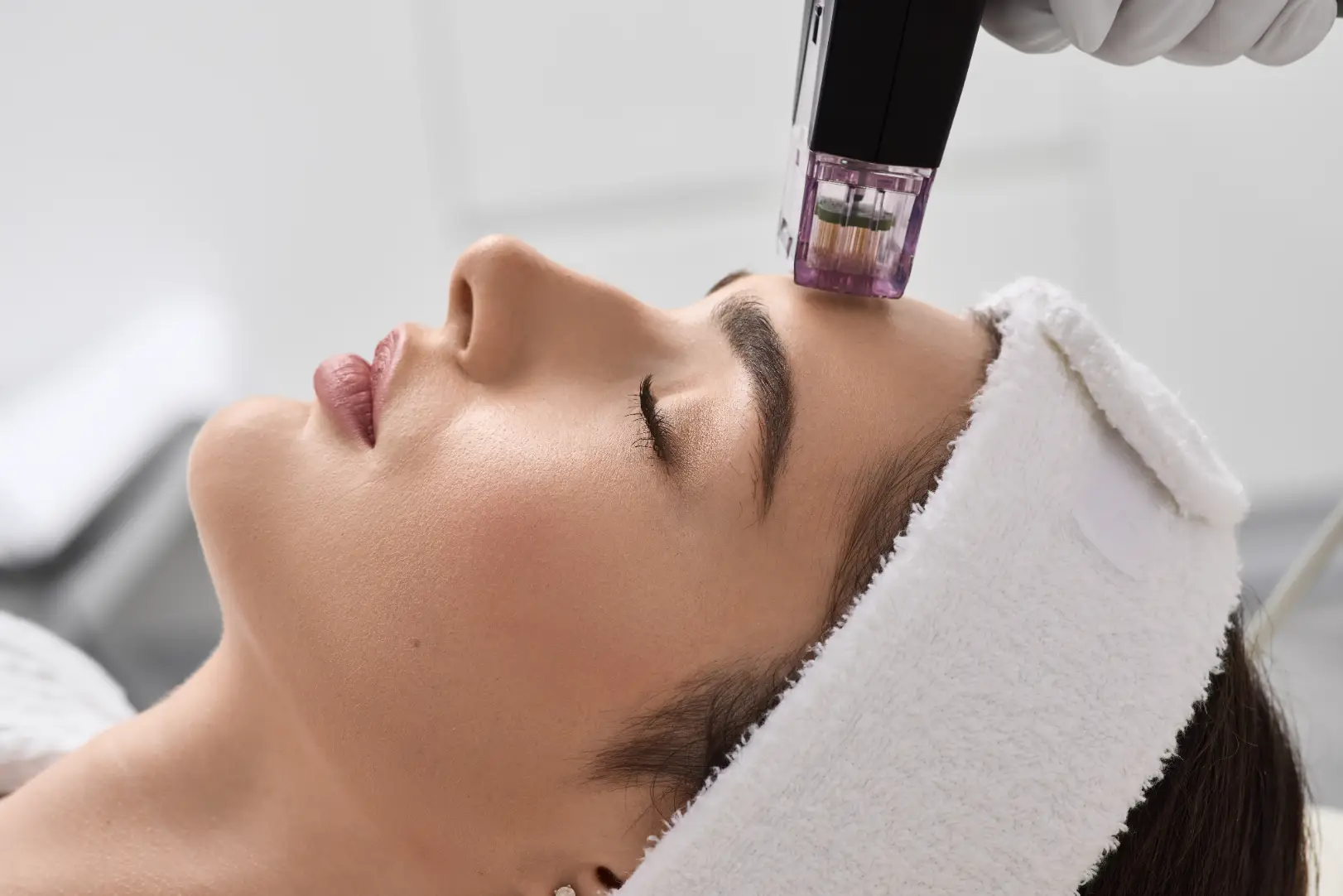


Fine lines can be frustrating when the treatments meant to soften them feel harder to manage than the wrinkles themselves. Perhaps a laser session was uncomfortable, or the recovery took longer than you expected. Tixel offers another way to resurface skin through brief contact with a heated tip.
It may be worth considering, but the reason you struggled with laser treatment matters. Read on to understand where Tixel can help, what recovery involves, and how to decide whether your skin is a suitable candidate.
Why Tixel May Fit
Tixel can appeal to patients who want smoother skin and a different treatment experience. It uses thermomechanical energy, combining controlled heat with brief contact. The benefits depend on the concern being treated, the settings selected, and your skin’s condition. These considerations can help you approach the decision with realistic expectations.
1. Heat Without a Laser
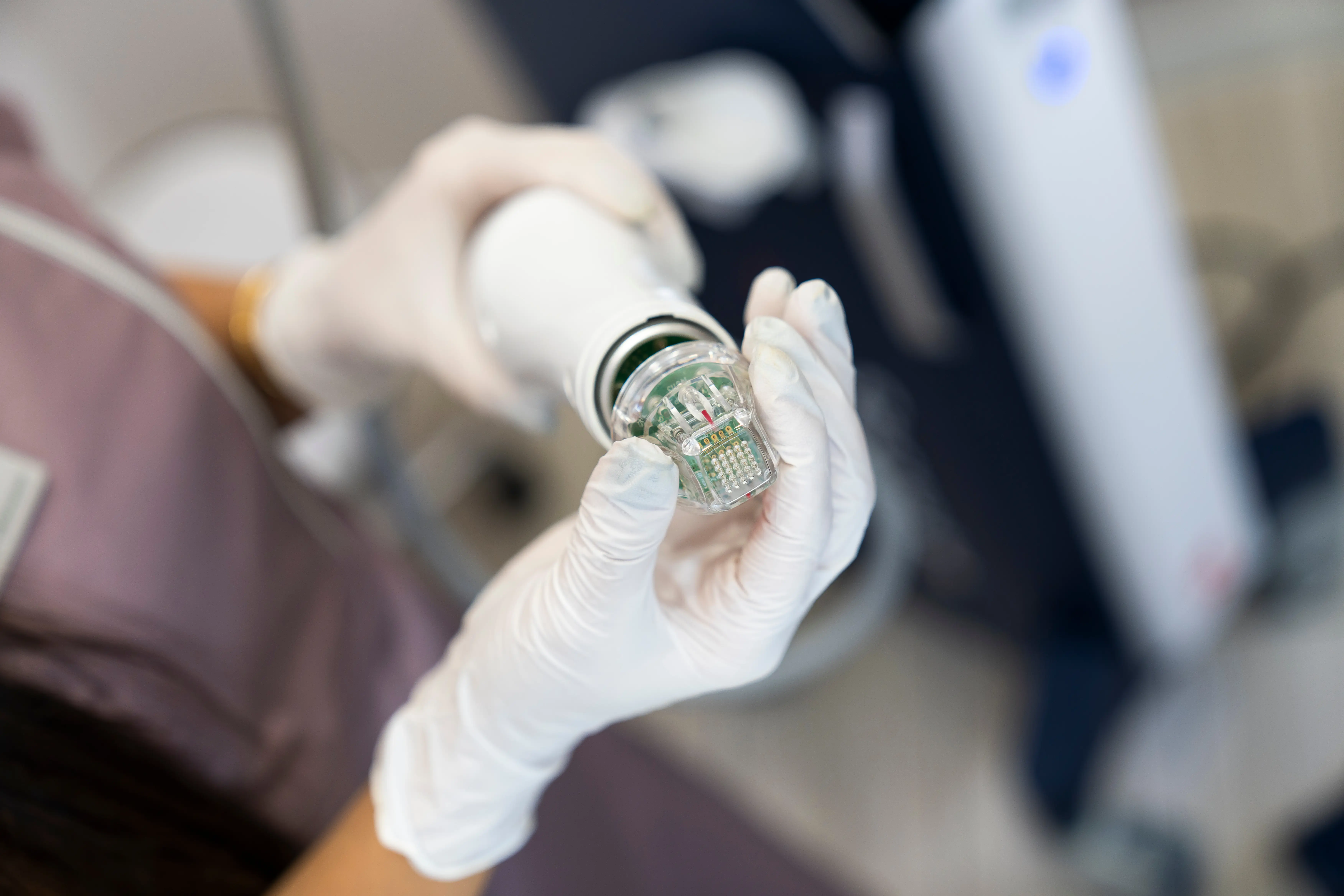
The main difference between Tixel vs. laser resurfacing is how energy reaches the skin. Lasers deliver light at specific wavelengths. Tixel transfers heat through a titanium tip that briefly touches the surface, creating small treatment points.
Those controlled injuries trigger a repair response that can improve skin texture and wrinkles. Tissue between the treated points remains untreated, which supports the healing process. The tip does not work like a needle, and the treatment does not use laser light.
As a non-laser texture treatment, Tixel offers another way to address selected fine lines and roughness. However, heat still affects living tissue. Avoiding laser light does not remove the need for careful screening, appropriate settings, or recovery time.
Laser treatment is a broad category. Some lasers remove surface tissue, while others work below the surface with less visible disruption. A difficult experience with one device or intensity does not establish that every laser is unsuitable. If you know the name of your previous treatment, bring it to the consultation so the comparison can be specific.
2. Comfort May Be Better
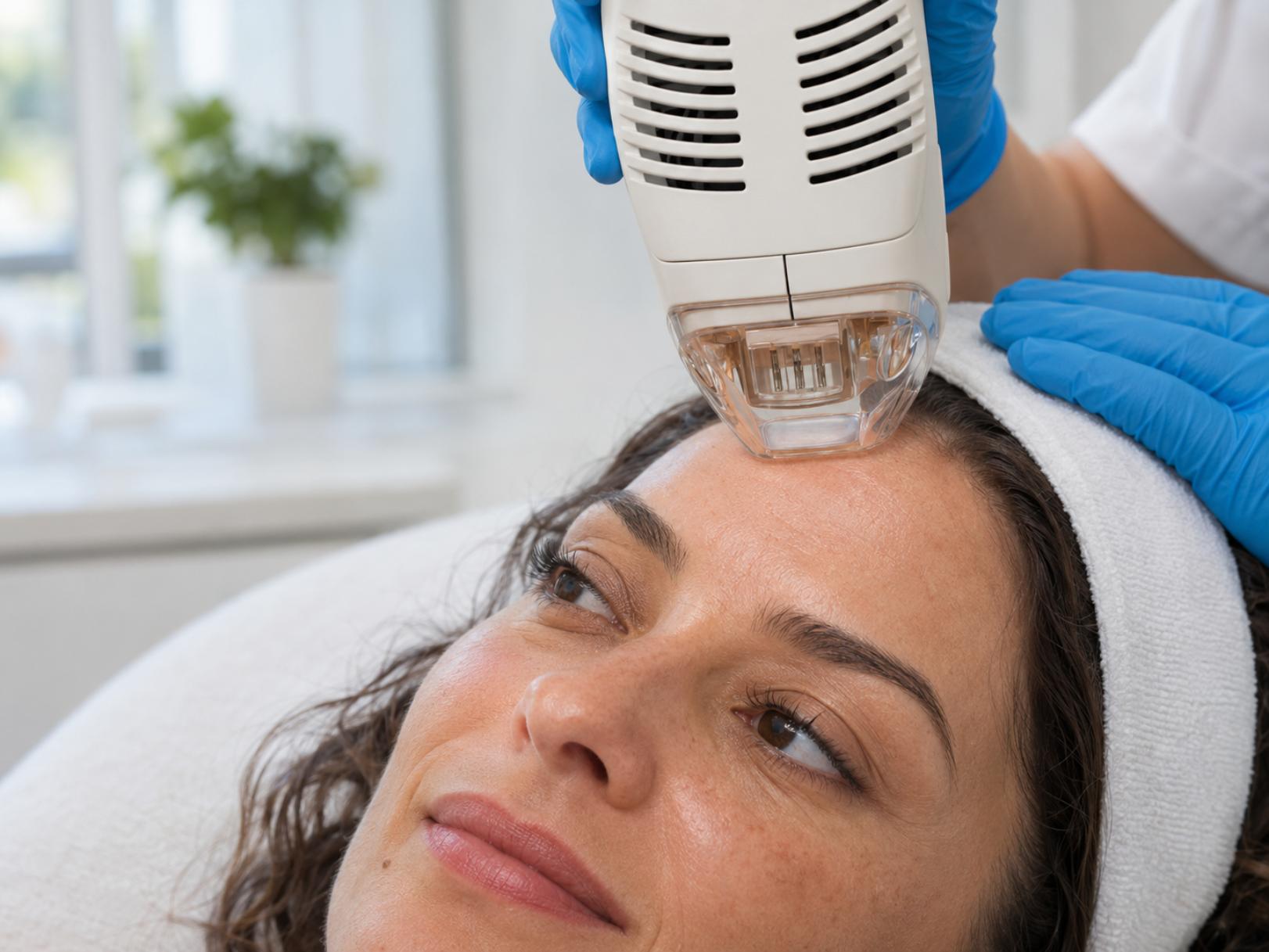
A treatment you can tolerate comfortably is easier to approach with confidence. For some patients, Tixel may feel more manageable than a previous laser experience, although warmth, stinging, or a prickling sensation can still occur.
One randomized study of 68 patients compared Tixel with a particular nonablative fractional laser for wrinkles around the eyes. Patients reported lower average pain with Tixel, while wrinkle improvement was comparable. That finding supports discussing comfort, but it does not prove Tixel feels better than every laser.
Ask how discomfort will be managed during your appointment. Numbing cream may be part of the plan, and your feedback during treatment matters. If you want a gentle alternative to laser, ask how the proposed settings and comfort measures fit your tolerance.
3. Settings Can Be Tailored
Tixel does not have to be delivered at one fixed intensity. A trained provider can adjust factors such as contact time and treatment coverage to suit the area and the intended effect.
That flexibility can be useful when balancing visible improvement with your tolerance for recovery. A more conservative approach may be considered for appropriate patients, while stronger treatment may produce more noticeable surface changes during healing. Choosing lower settings does not automatically eliminate irritation or other risks.
If low-irritation resurfacing is your priority, explain what that means in daily life. You may be concerned about discomfort, prolonged redness, or returning to work. Those are different needs, and the plan should address the one that matters most to you.
4. Fine Lines Are a Focus
Tixel may fit when your main concerns involve fine wrinkles and changes in surface texture. It can encourage collagen remodeling within skin, with improvement developing as the tissue heals over time.
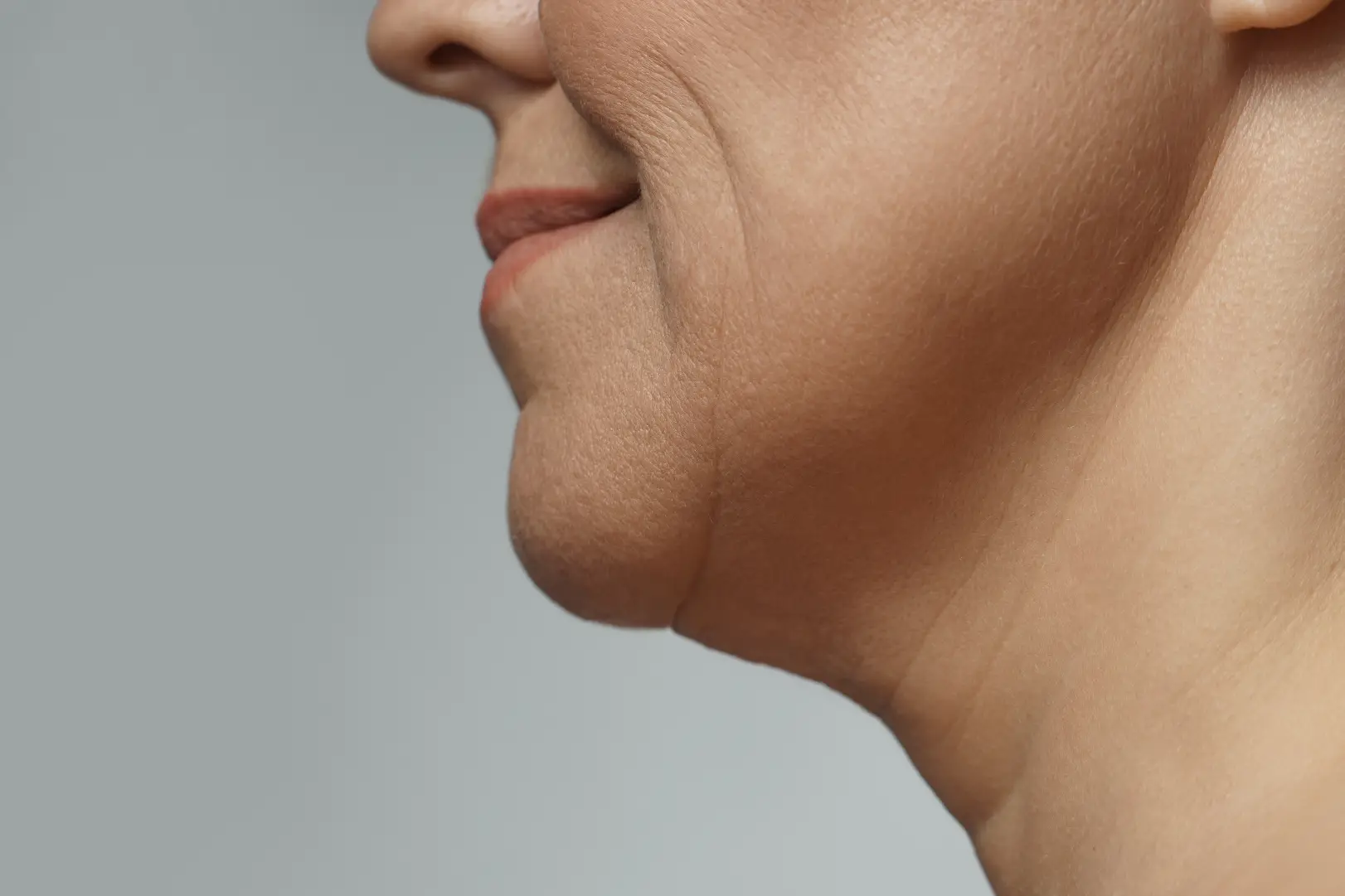
Research has evaluated wrinkles around both the eyes and mouth. In a small prospective study, patients received four monthly treatments for lines around the mouth. Investigators reported improvement at follow-up, suggesting that a series can be useful for selected patients.
Your goals still need to match what resurfacing can accomplish. Deep folds, substantial loose skin, or lost facial volume may call for another approach. A smoother surface can refresh your appearance without producing the same change as surgery or restoring volume. Ask which of your concerns Tixel is most likely to improve.
Changes usually need time to become clear. Early swelling can temporarily alter the appearance of lines, while the longer repair process continues after the surface settles. This is one reason to avoid judging the outcome immediately after a session. Your provider can explain when to expect a meaningful assessment and whether another treatment would add value.
5. Smaller Areas Can Be Targeted
You may want to address one area without treating your entire face. Tixel’s applicators allow providers to work on selected regions, including delicate skin around the eyes when the device and treatment plan are appropriate.
Tixel2 has FDA clearance for skin ablation and resurfacing, including treatment of periorbital wrinkles. That makes eye-area lines a relevant consultation topic. Thin eyelid skin still requires specific training, careful technique, and attention to the manufacturer’s safety instructions.
Describe the change you want rather than choosing a procedure based only on the area. Crepey skin, puffiness, and eyelid hooding can have different causes. Resurfacing may help selected texture concerns, but it does not remove excess eyelid tissue. Your provider should explain those distinctions before recommending treatment.
6. Skin Tone Still Counts
For Tixel, skin types alone don’t determine candidacy. Your personal history of pigment changes also matters. Its heat delivery does not depend on light being absorbed by skin pigment, which distinguishes it from some light-based treatments.
Studies have included patients with a range of skin tones. However, darkening after inflammation has occurred following Tixel, so a broader potential treatment range should not be confused with an absence of pigment risk. Recent tanning and your personal history of discoloration also deserve attention.
Tell your provider if acne, a scratch, or a previous procedure left lasting dark marks. This history may influence treatment selection and preparation. Skin tone alone cannot tell the whole story, and a laser alternative for sensitive skin still needs an individual assessment of healing and pigmentation concerns.
7. Recovery Can Be Planned
Tixel downtime varies with treatment intensity, coverage, and your response. You may experience temporary redness, swelling, warmth, or a rough texture as small crusts develop. Visible healing can continue after you feel comfortable returning to ordinary activities.
The comparative study found that many patients returned to work and social activities within two days. However, overall downtime was similar between treatments, and lingering crusting was more common with Tixel. It is better to plan around your proposed treatment than assume that every non-laser option heals faster.
Ask when you can wear makeup and resume exercise or your usual skincare. Leave room before important photographs or events, especially for a first session. A recovery plan that fits your schedule can make treatment more manageable without promising that your skin will look unchanged immediately afterward.
Check Your Skin First
Considering Tixel for sensitive skin starts with understanding what sensitivity means for you. Pain during a previous procedure is different from skin that currently burns, peels, itches, or develops an active rash. These situations should not be grouped together.
Some factors that determine who shouldn’t get laser treatments also matter when assessing Tixel. Active infection, open wounds, inflamed skin, and certain skin conditions can make resurfacing inappropriate or require postponement. A history of poor healing or abnormal scarring also needs review.
Be specific about previous reactions. Explain when symptoms started, how long they lasted, and whether a clinician diagnosed a burn, allergy, or pigment change. Photographs and treatment records may help your new provider understand what happened.
A previous reaction may also have involved something other than the laser itself. A numbing product, cleanser, or recovery cream could have contributed to irritation. Your provider may need to separate those possibilities before selecting another procedure. Knowing what happened may change the products used before and after your appointment.
Tixel can cause adverse effects, including burns, infection, prolonged redness, pigment changes, and scarring. Your provider should follow the current device instructions and assess your medical history. Simply choosing a different device does not resolve an untreated skin problem.

Plan Your Visit
Comparing sensitive skin resurfacing options works best when your appointment begins with your experience and priorities. Bring a list of medications, skincare products, recent procedures, and any conditions that affect healing. Mention cold sores, allergies, and previous reactions to numbing products.
Ask what improvement is realistic, how many visits may be recommended, and when the response will be reviewed. A treatment series should have a purpose, with enough time between appointments to assess healing. Photographs taken in consistent lighting can help track changes without relying on memory alone.
Aftercare should be clear before treatment begins. Ask which cleanser and moisturizer to use, when active skincare can restart, and how to protect healing skin from the sun. Avoid picking at flaking areas or adding products that have not been cleared by your provider.
Your routine matters during healing. Outdoor work, regular swimming, and frequent sun exposure may affect when treatment fits best. Share upcoming travel plans before choosing an appointment date, especially if follow-up would be difficult.
You should also know which symptoms deserve a call. Worsening pain, spreading redness, drainage, or delayed healing need attention. Being able to reach the treating team is part of a practical plan, especially if a past procedure left you uncertain about what was normal.
Find Your Next Step
Your previous laser experience deserves to be part of the treatment conversation. At Plaza Aesthetics & Wellness in Kansas City, a Tixel consultation can help you review your concerns, discuss your skin’s response to past procedures, and understand the proposed treatment and aftercare.
Schedule a consultation to explore whether Tixel fits your goals and recovery preferences!