

Your skin and hair are constantly responding to the world around them. Sun exposure, aging, hormonal shifts, inflammation, stress, and time can all influence how quickly skin renews itself and how healthy hair appears.
At the same time, the body already relies on an intricate network of cells, proteins, and chemical signals to coordinate repair. Hair and skin regeneration takes inspiration from these biological processes rather than focusing only on what can be added to the surface.
That idea has helped move regenerative aesthetics into the spotlight. Growth factor therapy, stem cell-based approaches, and exosome technology are discussed for their potential roles in cellular communication, collagen-related processes, skin quality, and hair restoration.
However, these terms aren’t interchangeable, and the clinical evidence and regulatory status vary considerably between products and applications. If you’ve been wondering what regenerative aesthetic medicine actually means beneath the marketing, keep reading for a clearer look at the science.
How Regenerative Aesthetics Approaches Skin and Hair
Regenerative aesthetics is less about forcing an instant cosmetic change and more about working with biological processes involved in renewal and repair. Understanding the differences between growth factors, stem cells, and exosomes makes it much easier to appreciate where each may fit.
1. Your Body Already Knows How to Repair
Every scrape, blemish, and minor injury demonstrates something remarkable about the body: it has its own repair system. When tissue is injured, cells communicate through a complicated series of signals. Inflammatory responses begin, repair cells become active, and proteins involved in rebuilding tissue are produced. Collagen also plays an important structural role in the skin.
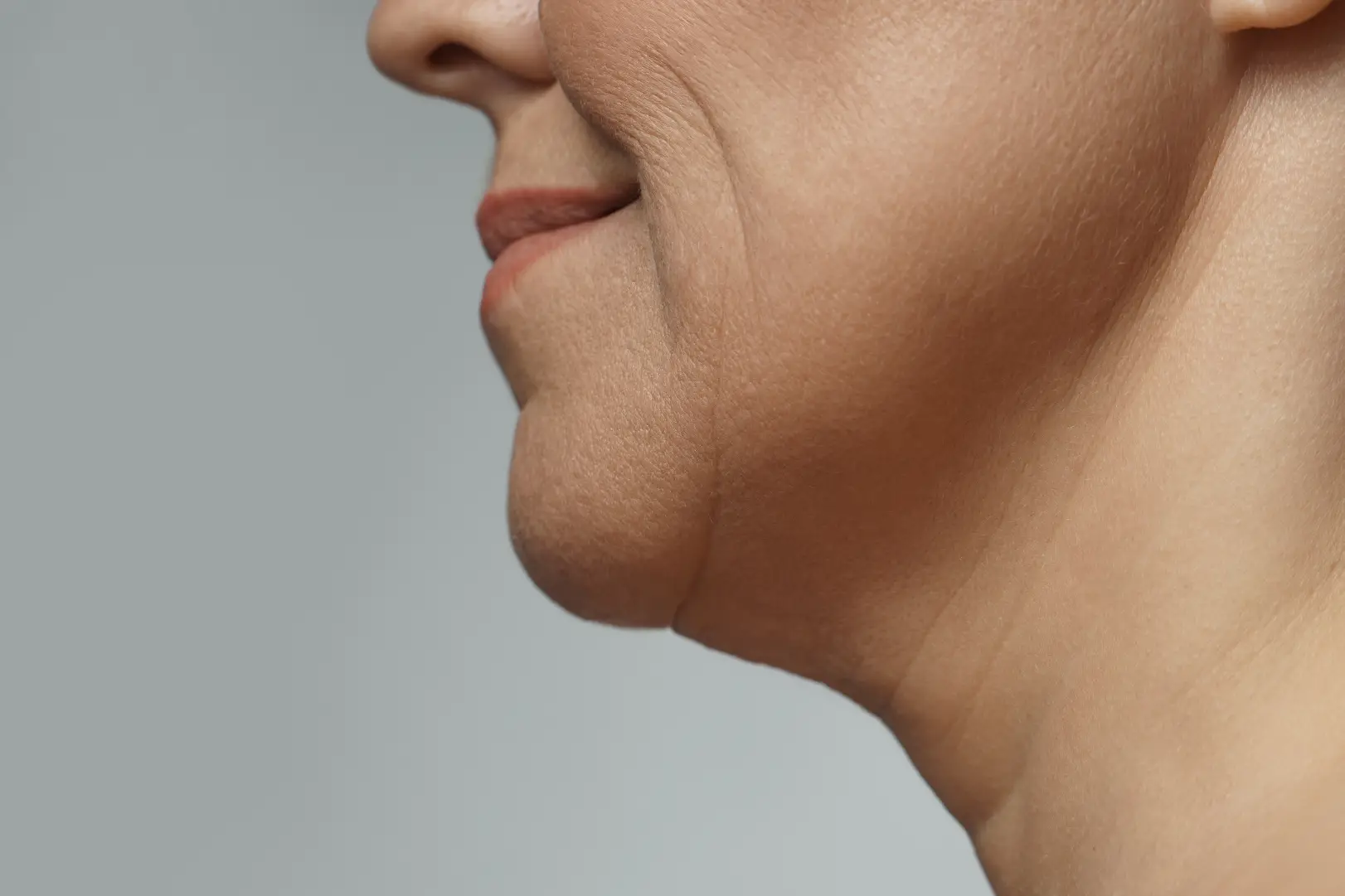
Aging gradually changes some of these processes. Collagen and elastin decline and change in quality over time. Skin may become thinner, less firm, and slower to recover. Hair follicles can also be affected by aging, genetics, hormones, medical conditions, nutrition, and other influences.
Regenerative aesthetic medicine explores ways of interacting with some of those biological pathways. This doesn’t mean a treatment simply “turns healing back on” or reverses aging. A more accurate goal is to support or influence specific cellular processes using an appropriate treatment, while recognizing that much of regenerative science is still evolving.
2. Growth Factors Act Like Biological Messengers
Growth factors are proteins involved in communication between cells. Think of them less like building materials and more like messages that help coordinate biological activity. Different growth factors have different functions. Some participate in processes involving fibroblasts, collagen, blood vessels, or tissue repair.
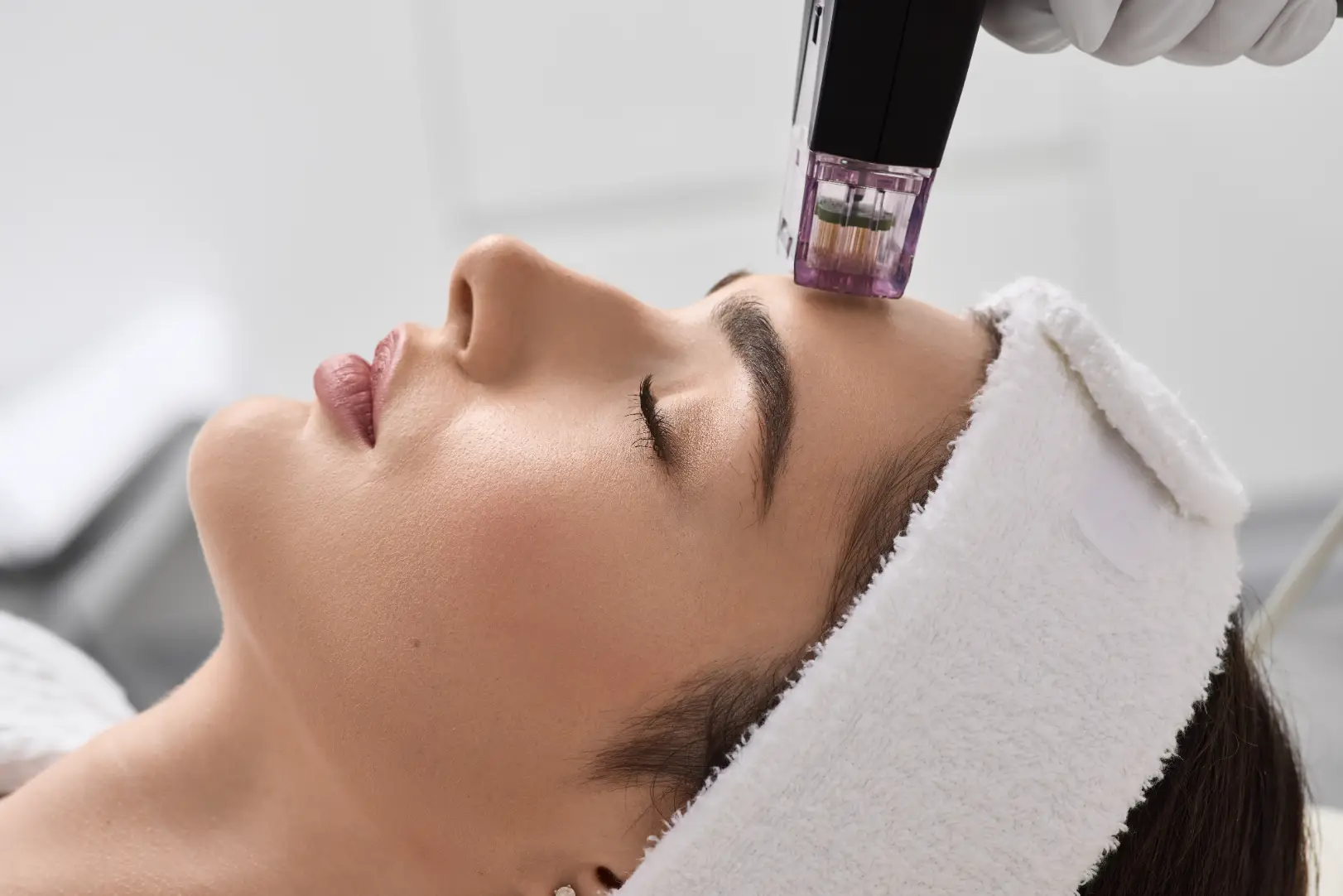
This is why growth factors for skin applications have become increasingly popular alongside procedures that intentionally stimulate a controlled healing response. At Plaza Aesthetics & Wellness, growth factor therapy may be incorporated with treatments such as microneedling and laser resurfacing. These procedures create controlled skin responses of their own, while the complementary product is intended to support the post-treatment environment.
Hair restoration is another area where growth factors are discussed. Hair follicles are biologically active structures with their own growth cycles. Researchers continue to study how different cellular signals interact with follicular activity, although results depend heavily on the cause of hair loss and the specific treatment being used.
Growth factors shouldn’t be described as magic repair proteins. They’re part of a much more complicated signaling network.
3. Microneedling Creates the Starting Signal
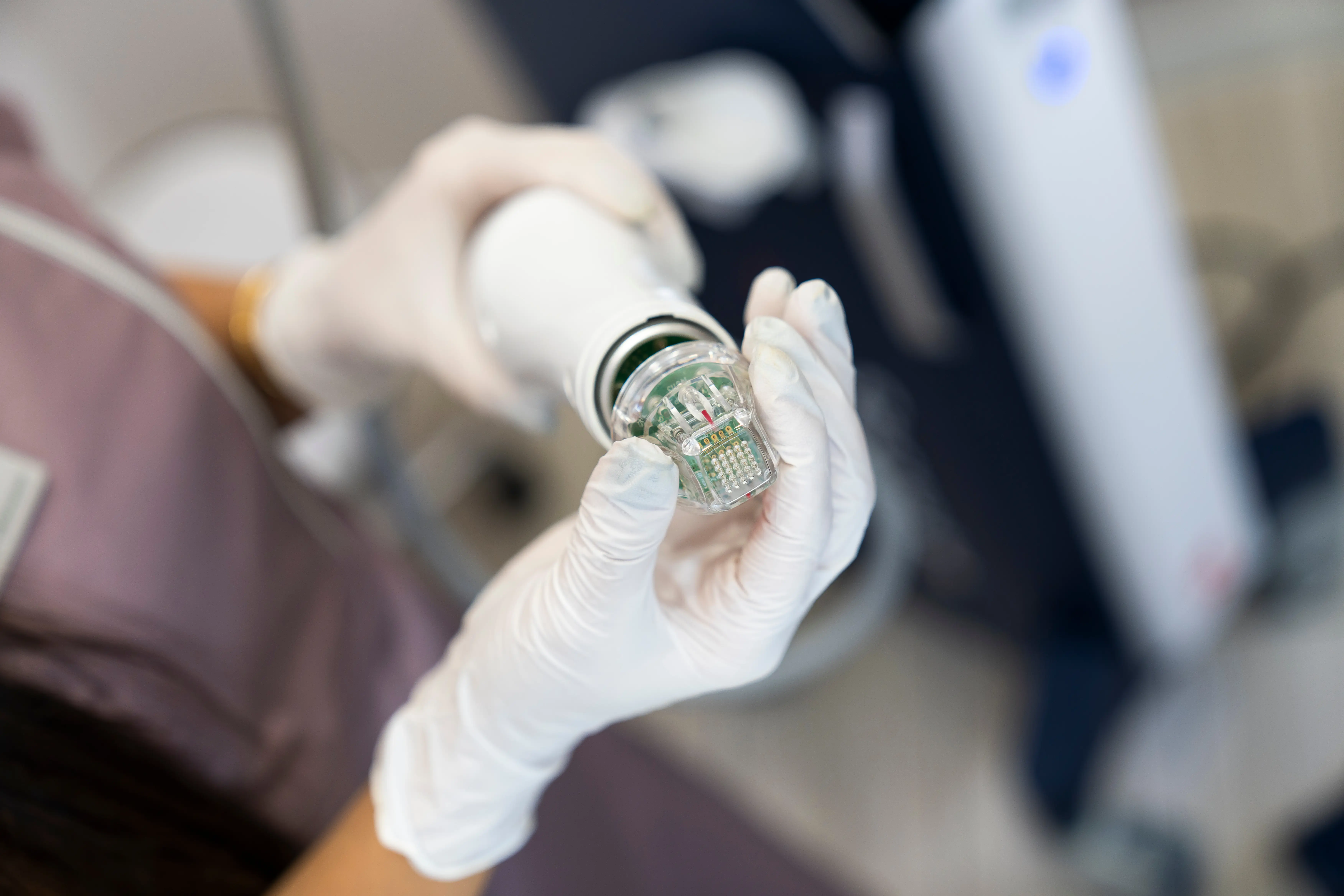
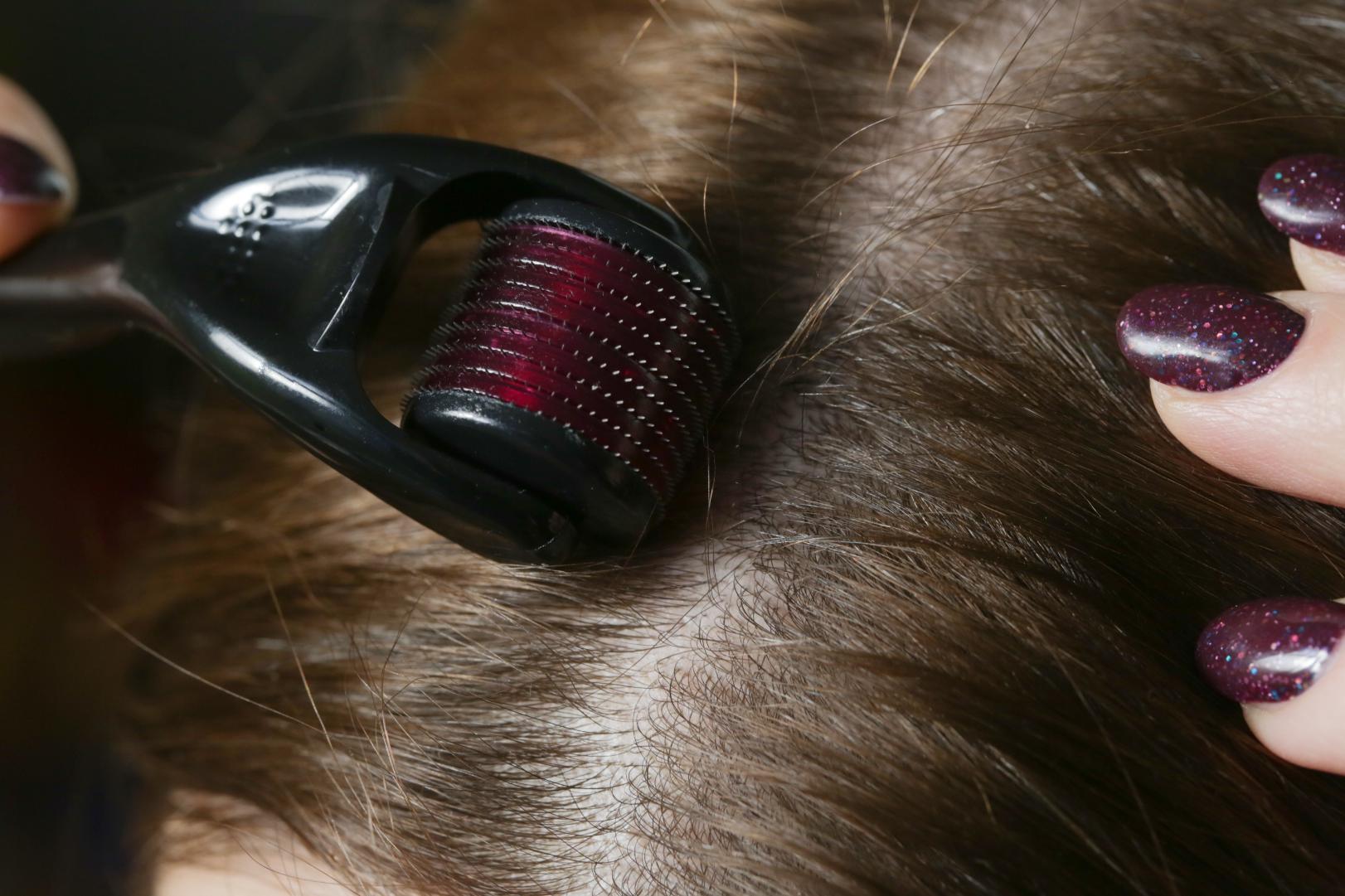
One of the easiest ways to understand regenerative aesthetics is to look at microneedling. Microneedling creates controlled microchannels in the skin using fine needles. Those tiny injuries initiate the body’s wound-healing response, which includes processes associated with collagen and elastin production.
The treatment itself is already regenerative in that sense. Adding a carefully selected topical product after microneedling is intended to complement that environment. This is why growth-factor products and exosome microneedling have received so much attention.
Still, it’s important to separate the proven mechanism of microneedling from claims made about whatever product is paired with it. If someone’s skin improves after a combination procedure, the result doesn’t automatically tell us how much came from microneedling and how much came from the added topical.
Strong clinical evidence is needed to establish the contribution of each component. That’s a healthy way to approach combination treatments: understand what each part is expected to do instead of assuming that adding more technology automatically creates a better result.
4. Stem Cells Are Living Cells
Stem cells are cells capable of self-renewal and, depending on the type, differentiation into other cell types. They have legitimate and important applications in medicine. But stem cell therapy shouldn’t be treated as a generic synonym for an advanced facial.
In the United States, the FDA regulates stem-cell products. FDA states that the currently approved stem-cell products consist of blood-forming stem cells derived from umbilical cord blood and are approved for certain disorders affecting blood production. Stem-cell products promoted for unrelated aesthetic, anti-aging, or broad regenerative purposes don’t automatically share that approval.
That distinction is particularly important in regenerative skincare. A cosmetic product may contain conditioned media, proteins, growth factors, or other cell-derived components without containing living stem cells. The terminology on a product label matters.
Patients should ask exactly what is being applied or administered rather than assuming anything described as “stem cell” treatment literally involves live stem cells.
5. Exosomes Aren’t Stem Cells
The difference between exosomes vs. stem cells is one of the most useful concepts to understand. Stem cells are living cells. Exosomes are not. Exosomes are tiny extracellular vesicles released by cells. They can carry proteins, lipids, and nucleic acids that participate in cell-to-cell communication.
Think of the cell as the sender and an exosome as one type of package carrying information. This communication role has created considerable scientific interest. Researchers are studying exosomes across many fields, including tissue biology and regenerative medicine.
So what is exosome therapy in an aesthetic context? The phrase generally refers to using products marketed as containing exosomes or extracellular-vesicle components, sometimes alongside procedures such as microneedling or laser treatment. The exact formulation, source, processing, purity, intended use, and regulatory status can vary.
6. Exosomes Are Being Studied for Skin Rejuvenation
Interest in exosomes for skin rejuvenation largely comes from their role in cellular communication. Preclinical and emerging clinical research has explored whether exosome-related signaling may influence processes involved in fibroblast activity, inflammation, collagen remodeling, and tissue repair. These are relevant areas when discussing aging skin and recovery after aesthetic procedures.
But the excitement needs context. As of September 2026, FDA continues to state that there are no FDA-approved exosome products. The agency regulates exosome products intended to treat diseases or affect the body’s structure or function and has repeatedly warned about unapproved products and unsupported therapeutic claims.
That doesn’t mean exosome research has no value. It means scientifically interesting and FDA-approved aesthetic therapy are not interchangeable descriptions. Patients exploring these treatments should know the exact product being used, how it is intended to be used, and what evidence supports that specific application.
7. Lasers Create Another Opportunity for Renewal
Laser resurfacing already relies on the body’s response to controlled injury. Depending on the technology, laser energy can target damaged tissue and initiate repair and remodeling. Collagen production can continue after the visible recovery period, which is why skin quality may evolve over time rather than changing completely overnight.
Growth-factor or regenerative products are sometimes paired with laser treatments to support the recovery environment. The concept makes intuitive sense: the procedure creates a controlled stimulus, and a complementary product is intended to support the skin while repair processes are active.
Laser type, treatment depth, skin type, aftercare, health history, and the added product all influence what happens next. A regenerative add-on doesn’t eliminate ordinary laser risks or remove the need for careful post-treatment care.
Sunscreen, gentle skincare, and following recovery instructions remain important even when sophisticated products are added to the procedure.
8. Hair Regeneration Starts With the Cause
Hair thinning is another area where regenerative treatments generate considerable excitement. But hair loss isn’t one condition. Androgenetic alopecia, hormonal changes, stress-related shedding, nutritional deficiencies, inflammatory scalp disorders, medication effects, and other medical conditions can all affect density.
That’s why hair and skin regeneration need slightly different conversations. A treatment intended to support follicular activity won’t necessarily correct an underlying hormonal disorder or nutritional deficiency. Likewise, a regenerative treatment shouldn’t delay medical evaluation when hair loss is sudden, patchy, painful, or accompanied by scalp symptoms.
Growth factors and cell-signaling technologies are being explored as part of hair restoration strategies, but candidacy should begin with identifying the pattern and likely cause. A sophisticated treatment works best when it’s solving the right problem.
Let Biology Lead the Conversation
Regenerative aesthetics is fascinating because it explores something the body has always done: communicate, repair, renew, and adapt. Growth factors, stem-cell science, and exosome research offer different ways of studying or potentially interacting with those processes, but their mechanisms, evidence, products, and regulatory status aren’t the same.
For patients interested in hair and skin regeneration, Plaza Aesthetics & Wellness in Kansas City offers an opportunity to explore regenerative-focused care within a personalized aesthetic plan. Understanding what each therapy is intended to do, what the evidence currently supports, and how it fits with established treatments can make the path toward healthier-looking skin and hair much clearer.
Call us today to schedule your consultation!