
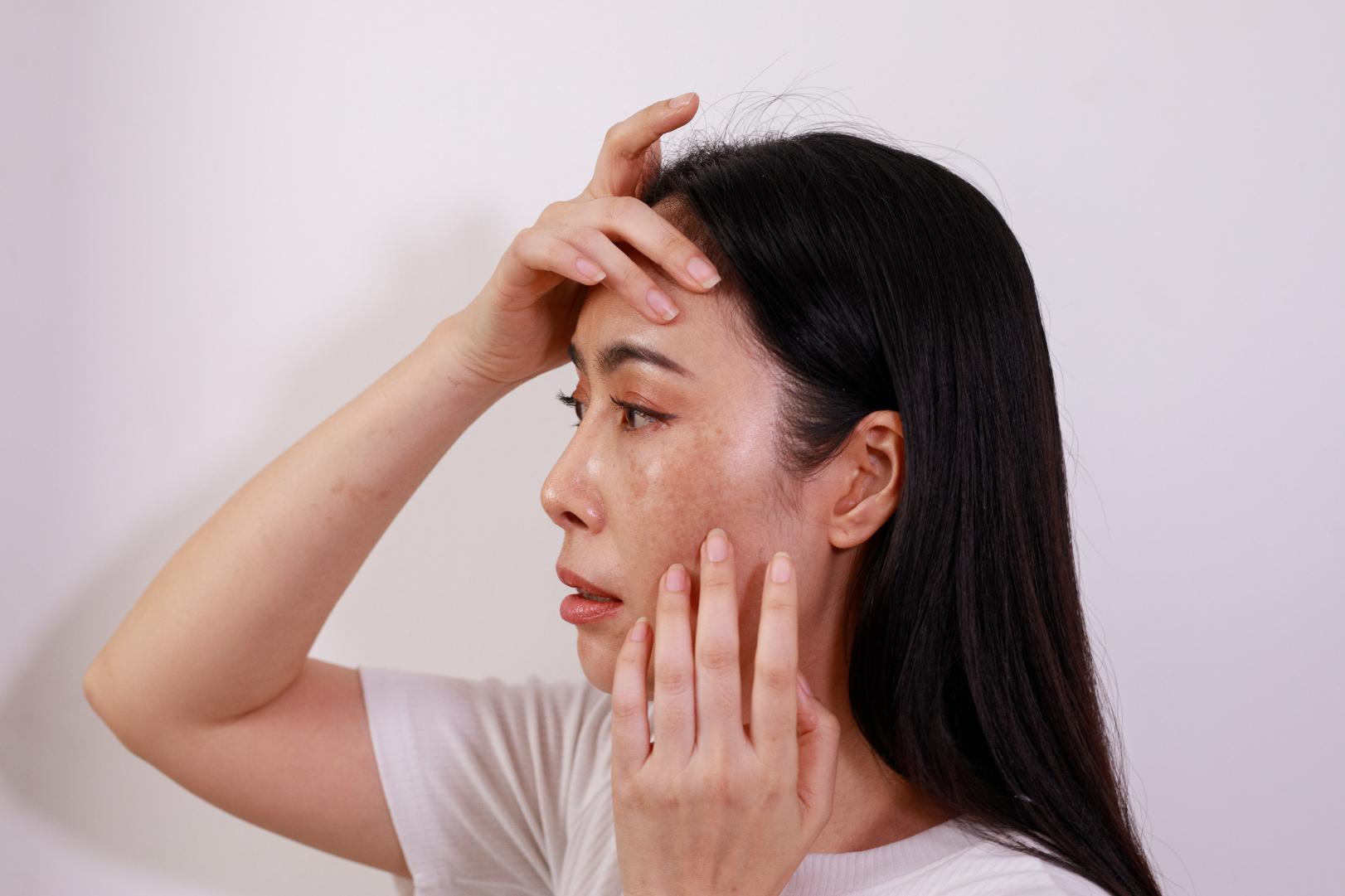
Sun damage can change both the color of your skin and the way its surface looks. Brown spots may appear alongside redness, roughness, and fine lines. A BBL + Tixel combination offers a way to address several of those concerns within one treatment plan.
The appeal is broader progress without treating each concern as a separate project. Still, your skin needs time to respond and heal.
Keep reading to follow the journey from consultation to follow-up and understand what this pairing can realistically offer.
Why the Pairing Makes Sense
Combining photofacial with resurfacing treatments brings together technologies that work differently. The goal is to match each treatment to a concern it can improve, then coordinate preparation, treatment, and recovery. Here is how that approach can make the process more focused.
1. Color and Texture Get Attention
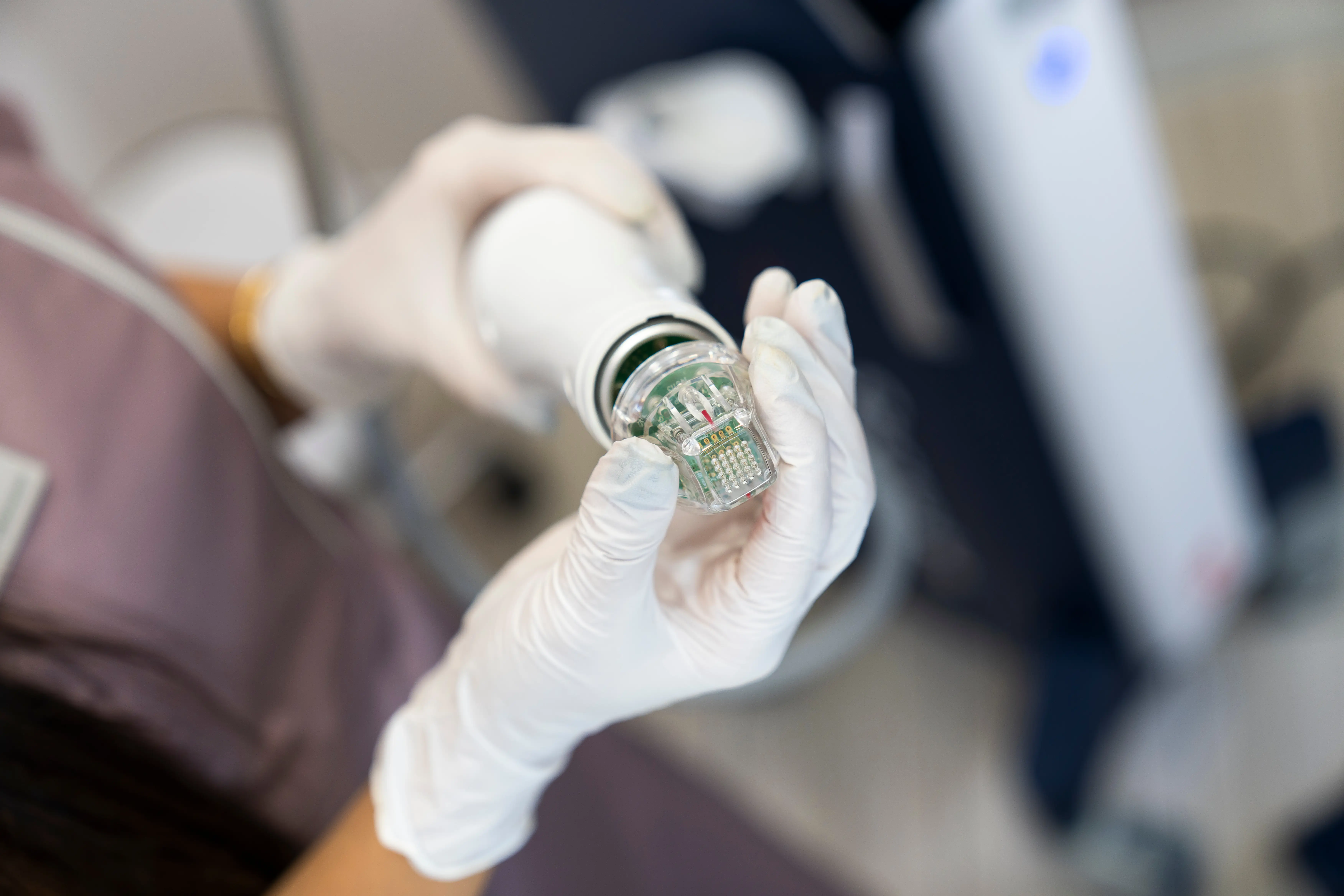
Broadband light and Tixel address different aspects of skin appearance. BBL is a form of intense pulsed light. Its filtered light can target pigment in selected brown spots and blood within visible small vessels, helping improve uneven color.
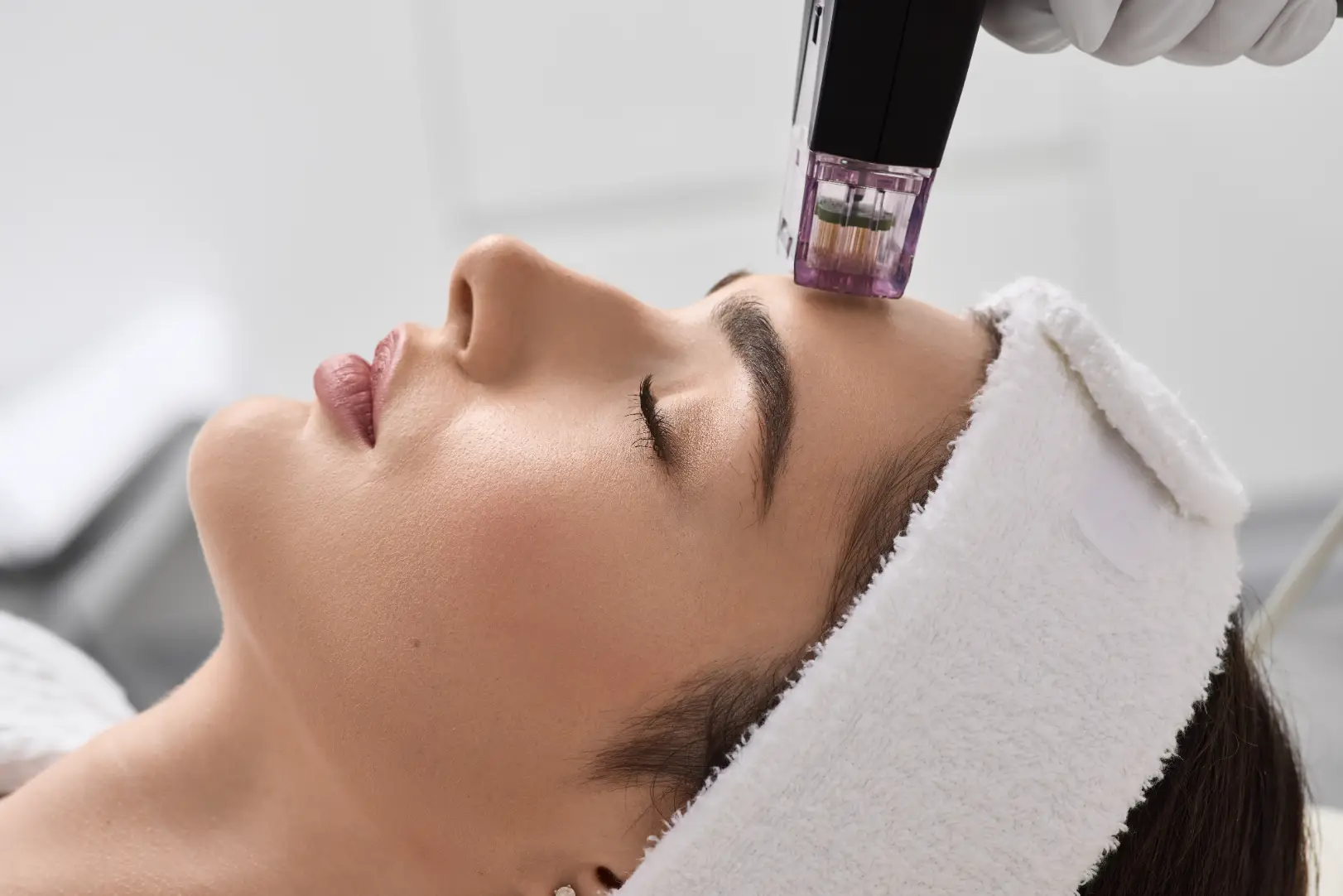
Tixel transfers heat through brief contact with a heated titanium tip. It creates small, controlled treatment sites that stimulate a repair response and collagen remodeling. Collagen is a protein that helps support skin’s structure. This resurfacing approach can improve selected fine wrinkles and texture concerns as the skin heals.
A sun damage and texture combo may appeal when you want to address both uneven color and surface changes. Fading spots alone may leave roughness visible, while smoother skin can still have uneven color.
The pairing should reflect your actual concerns. If texture or discoloration is minimal, one treatment may be enough. Adding a second procedure needs a clear purpose.
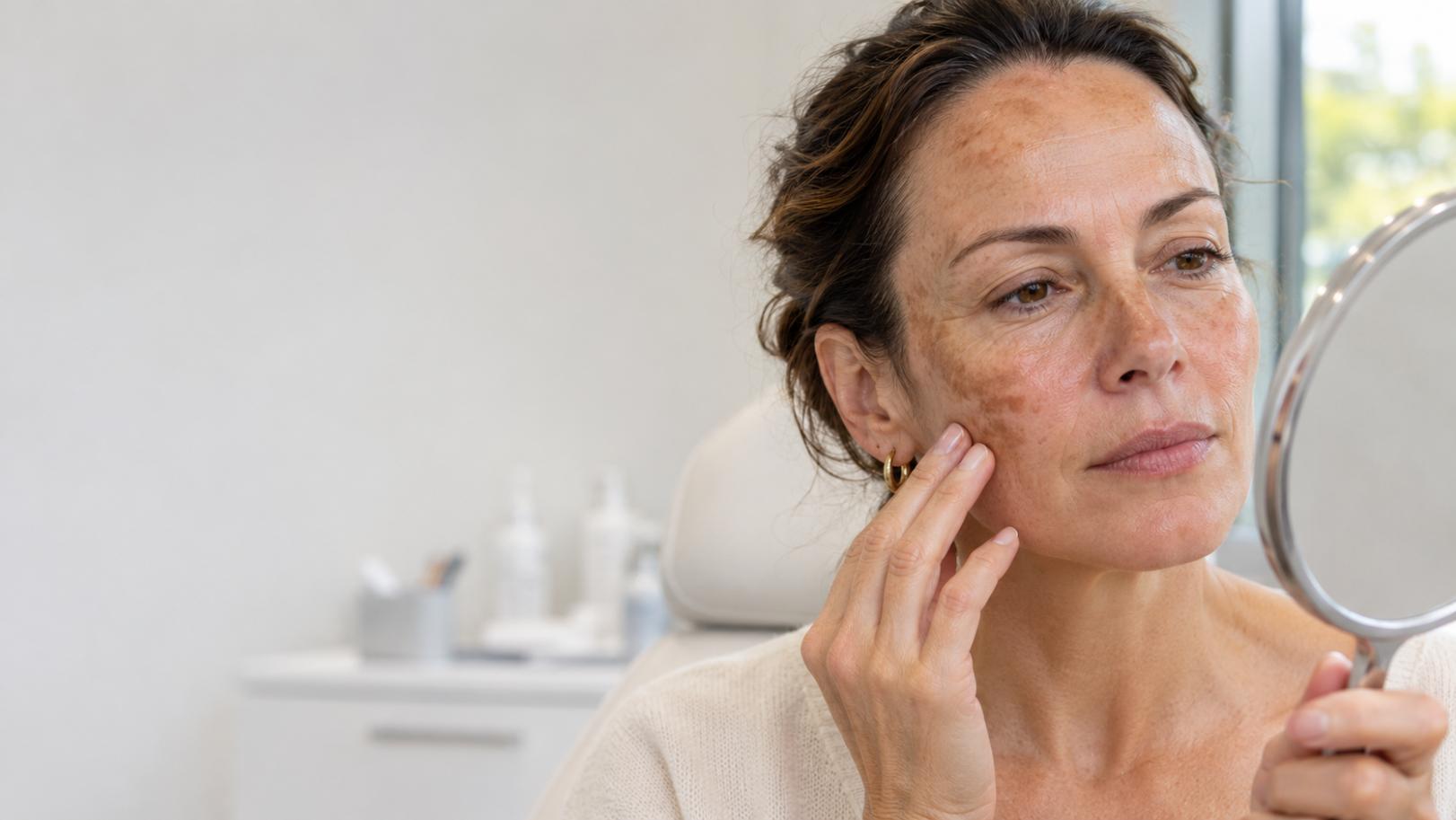
2. Your Starting Point Guides the Plan
Deciding which treatments pair well starts with examining your skin. Your provider should identify what is causing the visible changes and ask which concern you most want to improve.
A brown patch is not automatically a sunspot. Melasma, inflammation-related pigmentation, and suspicious lesions need their own assessment. Similarly, redness may reflect visible vessels, an active skin condition, or irritation. Treating every mark with the same settings can miss the underlying problem.
Your skin tone, recent tanning, medications, and healing history also matter. Being suitable for Tixel does not automatically make you a candidate for BBL. Both treatments need to be appropriate before they are combined.
Bring details of previous procedures and reactions. Baseline photographs can document color and texture separately, giving later visits a more useful comparison. This helps the provider explain what improvement would look like for you.
3. Preparation Supports Both Treatments
Layered skin treatments need preparation that accounts for the full appointment. Before booking, discuss outdoor work, recent sun exposure, upcoming travel, and any event where visible redness or flaking would be inconvenient.
A fresh tan can affect how light energy interacts with skin. Your provider may recommend postponing treatment until it fades. Sunburn, active infection, open skin, or an inflammatory flare may also require treatment or additional healing time first.
Share all medications and supplements, including anything that increases light sensitivity or affects healing. Do not stop prescribed medication on your own. The treating team should explain which skincare products to pause and when to restart them.
Clear preparation instructions help avoid surprises on treatment day. Confirm whether you should arrive with bare skin, whether numbing is planned, and how much time to allow for the entire visit. Two procedures may require more appointment time than either one alone. Keep a copy of the plan for reference.
4. Visits May Be Coordinated
A BBL and Tixel combo may be performed during one visit for selected patients. Others may be better served by separate appointments, allowing the provider to review the response before adding another treatment.
When same-day treatment is appropriate, there can be a practical scheduling advantage. You may be able to work on color and texture within the same course of care, instead of completing one entire series before beginning the other. This is an efficiency benefit, rather than proof that tissue heals faster.
Stacking facial treatments requires more planning than placing two standard sessions next to each other. The provider must consider the combined effect, the areas being treated, and how your skin responds during the appointment.
Ask why the proposed sequence suits your skin. There is no single treatment order or interval that should be assumed for everyone. Separate visits can still form a coordinated combination plan.
Before scheduling, ask for an estimate separating the recommended treatments from optional additions. Find out whether it includes the consultation, preparation, aftercare products, and follow-up assessment. Also ask what happens if your skin needs more recovery time and the next appointment must move.
A clear explanation helps you understand the full practical commitment before treatment begins. It gives you room to choose a pace that fits your budget and calendar. It leaves room to change your plan after reviewing how your skin responds to the initial treatment appointment.
5. Settings Match Each Concern
Combination skin resurfacing should be tailored to the concerns being treated. BBL settings and treatment coverage may focus on specific color changes, while Tixel intensity and coverage are chosen for the texture goals.
For example, your provider may recommend different coverage for spots across the cheeks and fine lines in a smaller area. The devices do not always need to cover exactly the same areas. The plan should explain what each step contributes.
During BBL, protective eyewear is used, and light pulses may feel warm or snapping. Tixel can create brief heat or prickling sensations. Comfort measures, including topical numbing when appropriate, should be discussed beforehand.
Speak up if something feels unexpectedly painful. More discomfort is not a reliable sign of a better result. A careful plan balances the intended improvement with the amount of treatment your skin can reasonably tolerate.
6. Recovery Has One Clear Plan
Your aftercare instructions should cover both procedures together. Advice intended for a standalone photofacial may not suit skin that has also undergone resurfacing, especially when deciding when to apply makeup or restart active products.
After BBL, treated brown spots may temporarily look darker before fading or flaking. Tixel can cause redness, swelling, warmth, roughness, and fine crusting. These changes may overlap, and returning to ordinary activities does not necessarily mean visible healing is complete.
Use the cleanser, moisturizer, and protective care recommended for your treatment. Avoid picking, scrubbing, or trying to remove flakes early. Ask when exercise, heat exposure, swimming, makeup, and exfoliating products can resume.
Recovery should move toward improvement. Contact the practice promptly for blistering, worsening pain, spreading redness, drainage, or other symptoms that concern you. Burns, infection, pigment changes, and scarring are possible complications, so knowing how to reach the team matters.
7. Results Appear in Stages
BBL + Tixel results should be evaluated over time, because color changes and texture improvement do not necessarily appear together. Treated pigmentation can darken first, while redness and swelling may temporarily obscure changes in the skin’s surface.
Over the following weeks, some patients notice a clearer-looking tone as treated spots fade. Texture and wrinkle changes may develop more gradually through a treatment series and the remodeling that follows. Early swelling should not be mistaken for the final smoothing effect.
The appeal of a faster-results combo treatment is often the chance to address different concerns within one coordinated course. However, direct comparative research on this specific pairing is limited, so a faster final result or fewer sessions should not be promised.
Ask when photographs will be repeated and which changes the provider expects to assess. A clear review point is more useful than judging the outcome day by day in changing bathroom light.
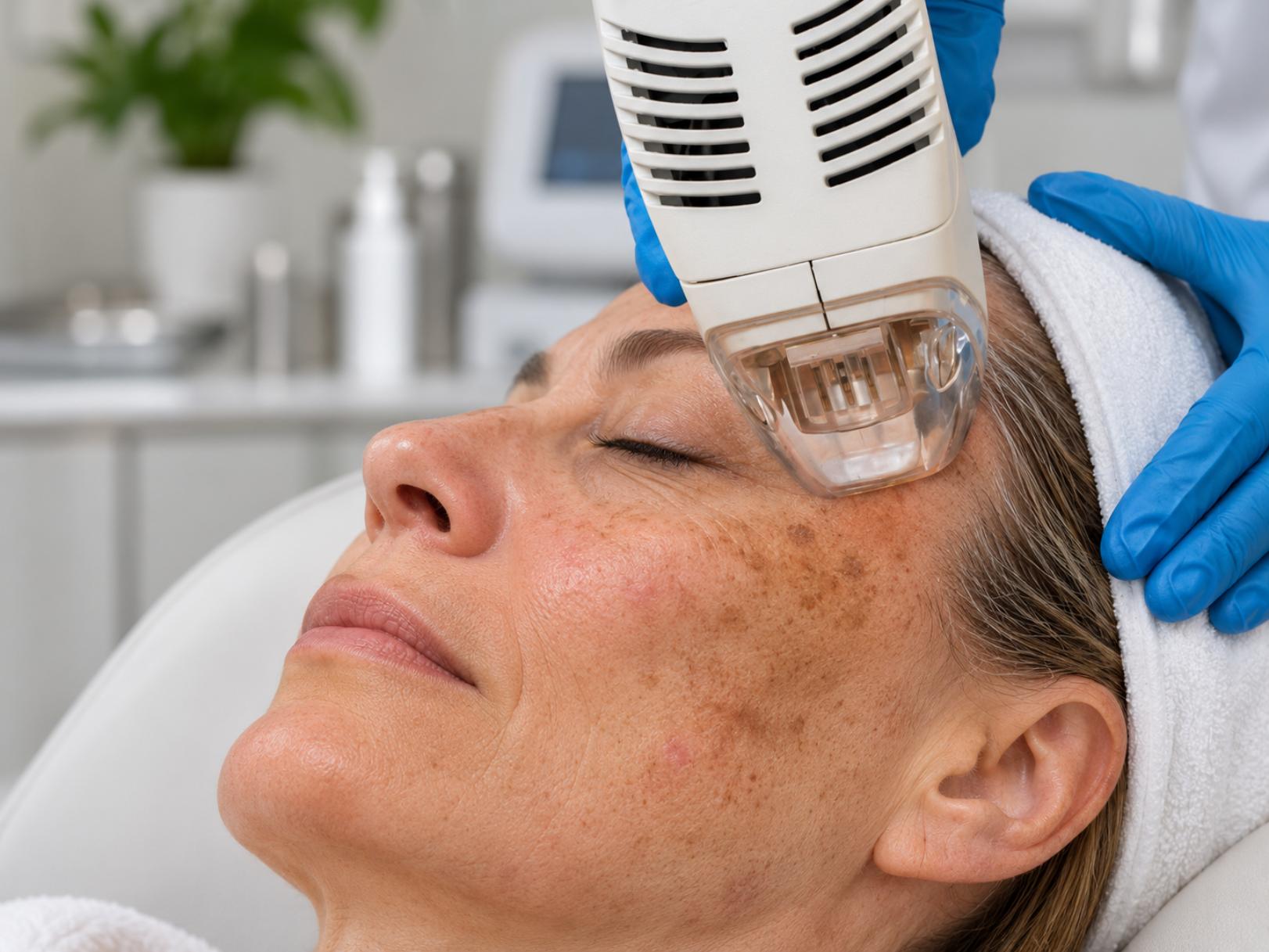
8. Follow-Up Keeps Treatment Relevant
Follow-up helps determine what your skin still needs after the initial response. Your provider can compare photographs, review any unwanted effects, and decide whether to continue, adjust, or pause the plan.
One concern may improve before another. If discoloration responds well but fine lines remain, repeating both treatments automatically may not be necessary. If irritation lasts longer than expected, additional treatment may need to wait.
The number and spacing of visits should reflect the concern, settings, response, and healing. Ask about the likely commitment, including recovery and follow-up appointments, before agreeing to a series. The schedule should allow time to assess healing before the next session.
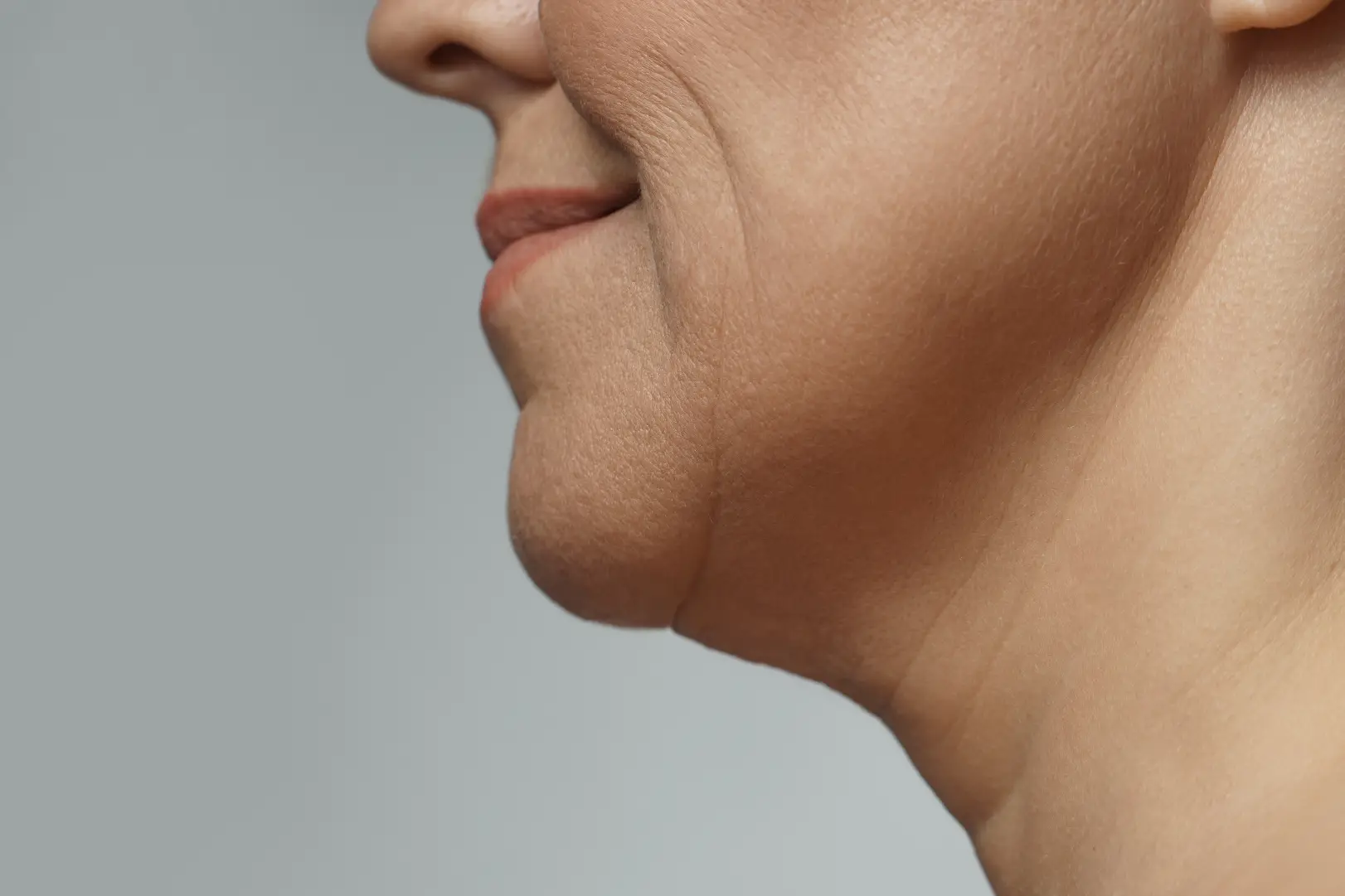
Also discuss the limits of the approach. Significant loose skin, deep folds, or lost facial volume may call for other options. Tracking specific goals helps you recognize useful improvement without expecting every sign of aging to disappear.
Protect Your Progress
Sun protection remains part of the plan after your appointments are finished. BBL and Tixel can improve selected visible changes, but they do not make skin resistant to future ultraviolet exposure.
Use broad-spectrum sunscreen with SPF 30 or higher as directed, along with shade, hats, and protective clothing. Your provider should explain when and how to apply sunscreen to freshly treated skin. Follow the combined aftercare plan while the surface heals.
Fall and winter may make sun avoidance easier for some patients, which is one reason treatment is often scheduled during cooler months. The calendar alone does not protect your skin. Sunny vacations, outdoor sports, and everyday exposure still matter when choosing appointment dates.
Maintenance should be individualized. Review new concerns with your provider and keep daily skincare manageable, rather than adding procedures simply because a certain number of months has passed.
Bring Your Goals Together
Plaza Aesthetics & Wellness in Kansas City offers BBL HERO and Tixel2 to address different skin concerns within a personalized plan. A consultation can help clarify your priorities, assess candidacy, and explain whether combined or separate visits may suit your skin.
Book a consultation to discuss a BBL + Tixel combination and what the full journey would involve. Understanding the preparation, recovery, and follow-up can help you pursue clearer tone and smoother texture with realistic expectations.